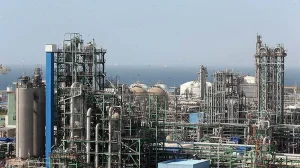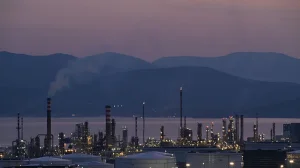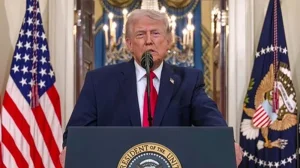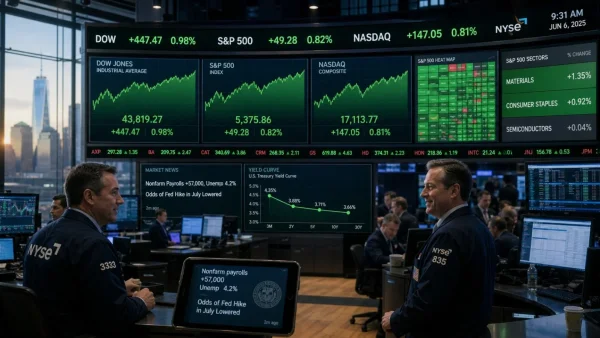
There was a sense of relief in energy markets once President Donald Trump put word out that a deal with Iran was done and the strait was back in play. Traders have been quick to reprice, with Brent at $84 and US crude around $81 as they make their calls on the de-escalation of risk and the return of normal flows.
Global supply relief as Hormuz reopens
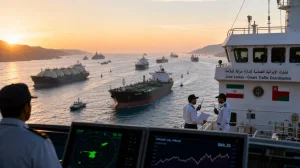
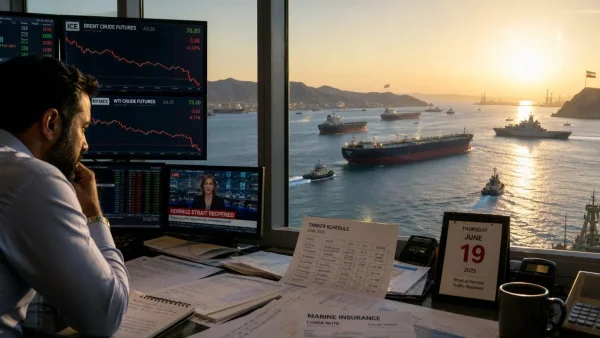
Now that the Strait of Hormuz is open, we’ve lost the one major bottleneck in the system we’ve had to put up with since late February. In the old days, before the war, this corridor was responsible for close to 20% of the world’s oil. A blockage there was always a headache for supply and shipping alike.
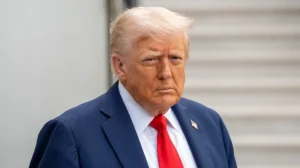
Trump made it plain: the maritime rules are off and the US naval cordon is being lifted. He called the waterway ‘toll free’ and put it in blunt terms: “Ships of the World, start your engines. Let the oil flow!” It was a no-nonsense way to reset what the market expects from the supply side.
Prices slide and market reaction
The slide started on Sunday and carried over into Monday’s early trade in Asia, June 15. We saw Brent give up more than 3.5% to go under $85, and for a while West Texas Intermediate was in danger of breaking the $80 line after a 5% drop.
You could tell by Sunday the selling was in full force. Brent was 3.9% lower at $84, with US crude 4.8% off to about $81. It was a continuation of what we saw on Friday when both were already in the red.
Volatility and what capped the surge
Even with the pullback, you can feel the market adjusting after so many months of whiplash. Oil was as high as $125 when the Iran war was at its height, but then came the April truce and the talk of peace, and that put a lid on any more upside.
For now, eyes are on Tehran for some kind of official word. Bloomberg has it that deputy foreign minister Kazem Gharibabadi has put his name to the plan, but we’re still waiting for anything from foreign minister Abbas Araghchi or Speaker Ghalibaf to be sure.
Diplomacy and timeline ahead
Pakistan’s PM Shehbaz Sharif took to X to say the hard part is over. After some long talks, he said, an agreement is in place for a permanent stop to all military action, even in Lebanon. The signing is set for Switzerland on the 19th.
That gives the market something to fixate on. If it goes down as planned, it should put to rest the war premium we’ve been seeing in crude since the strait was shut down to regular commerce back in February.
What this means for consumers and producers
In Asia, importers can get back to their schedules and not have to worry as much about insurance. One Iranian MP put it at $2 million on average for a vessel to make the crossing – a figure that was eating into refiners’ books and warping the trade routes.
It’s also a matter for the pump in the US. Bob McNally of Rapidan Energy has said we could have been looking at $5 a gallon if there was no deal. This puts some of that fear to rest, though everyone is still keeping an eye on how the supply side holds up.
Then you have the bigger picture. OPEC is set to ratchet up production quotas in July, which is another thing to factor in. And how fast the strait gets back to normal will be the deciding element in whether those barrels and the freight issues behind them sort themselves out.
Here is what to keep an eye on:
– Any formal word from Iran
– The 19th in Switzerland
– How quickly shipping gets back on track
– The new OPEC numbers in July
The bottom line is that the threat of conflict is waning and the oil is going to move. Can this hold? Only time will tell, but for the moment, traders have a plan and the prices are showing it.