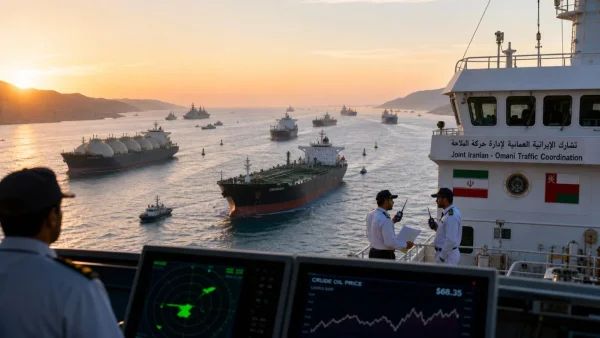
Back on May 27, 2026, Iran let on that a reset in Gulf shipping was in the works. State media put it this way: a deal being milled over would have the US military step back from around Iran and the Navy would stand down from the Strait. In a month or so, Tehran would be back to normal commercial traffic, which should do something for the jitters in the energy market.
Energy stakes and market positioning
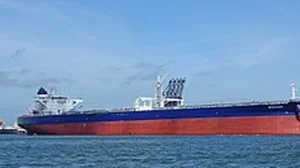
You can’t talk about the Strait of Hormuz without talking about the fact that it is the conduit for almost 20 per cent of the world’s oil and LNG. So when things change there, the market takes notice. We’ve had a few months of unease that has driven up the price of crude and put importers under a microscope.
For an India or any other big buyer, a return to the status quo in the Strait is welcome news. The traders and underwriters are all eyes on whether this plan will put an end to the hiccups in supply and pricing.
What the draft framework includes
State TV in Iran has been touting a de-escalation plan with an eye on keeping ships moving. The word on the street is that US troops will be gone from the areas around Iran and the blockade will be a thing of the past.
Tehran, for its part, is on record to say it will put commercial transit back to where it was before the war in 30 days. This doesn’t apply to warships, mind you. There’s also a provision for Iran and Oman to work together on how to run the show in the waterway.
Here is what state media is making of it:
– US forces make way in the region
– No more naval cordon at Hormuz
– Commercial life returns in a month
– Warships are not in the picture
– Some co-ordination with Oman on routing
Path to a deal and verification
Should the two sides come to terms in the next 60 days, we’re told by Iranian media it will be made official with a no-nonsense UN Security Council resolution. That gives it some teeth.
But don’t count on it just yet. Tehran has been careful to note the Islamabad memorandum isn’t done. “We want to see some tangible proof,” they said on state TV, in what is a very methodical way of doing business.
Beyond shipping: broader bargaining chips
There’s been some chatter about a 14-point accord to put an end to the fighting and open up the lanes. We’re hearing about sanctions being let up, frozen assets coming back, and room for Iran to start exporting oil again.
Still, there are hard questions left to answer, like what to do with Iran’s nuclear ambitions and the US military’s place in the area. If we can put the shipping matter to rest, this could be the opening for a more comprehensive fix.
Why this matters now
Earlier this year the whole region was tied in knots with hundreds of vessels sitting idle. A plan to get back to pre-war levels in a month is a good sign for anyone in the cargo or refining business who needs to plan ahead.
With Iran and Oman in on the oversight, it looks like a way to de-escalate without putting the military in each other’s faces. Since the draft leaves out military craft, the emphasis is on the civilian side of things.
What to watch next
Give it 60 days and we’ll know if this becomes a binding UN resolution. For now, the market is looking for some kind of confirmation and early movement in the Strait.
It all comes down to diplomacy. Get it right and you take the heat off of crude; don’t, and the supply-side worries will only get worse for those who have to import their energy.