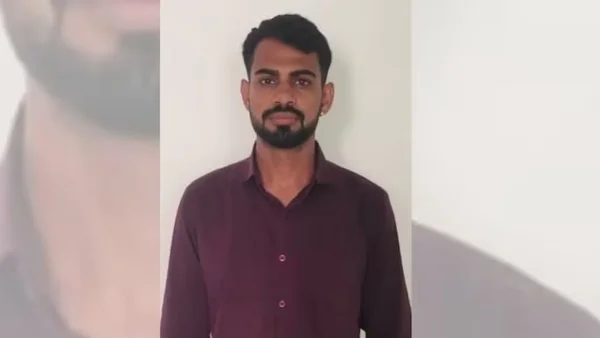
The lance naik is in trouble and defense groups are now on higher alert, as he is suspected of giving sensitive naval data to Pakistan’s Inter-Services Intelligence. Identified as 24-year-old Adarsh Kumar, he is also accused of sending money to someone in Pakistan who was working with the ISI. The investigation is still going on, authorities state.
Arrest and Official Action
The Uttar Pradesh Anti-Terrorism Squad arrested Adarsh Kumar after getting word of his dealings with a Pakistani ISI person. The arrest came after checking results from watching him with electronics and in person – and it was on March 10th.
The man who is accused was brought before a court and put in jail while awaiting trial, as the law says. Security groups are still questioning him and widening the investigation if they need to.
What He Is Accused Of and Evidence
Investigators claim Kumar sent money from his bank account to the ISI person, and swapped digital messages. These messages, they say, had pictures and facts about naval things of strategic importance – even warships.
People in law enforcement say that both digital forensics and watching him in the real world helped to make the case. For reasons of operations, the full material has not been shown to the public.
Where He Was Stationed and His Background
Kumar was a lance naik at the Southern Naval Command, stationed at the Navy base in Kochi, Kerala. He is from Kagarol in the Agra district of Uttar Pradesh, and is said to have used the name “Lucky” in some contacts.
His rank and place of work show how important the information he could get to was to operations. Army people are looking into whether rules for handling information were broken, and how well access was kept under control.
How The Investigation Is Going and What It Means For Security
Security groups are checking Kumar’s communications, money moves, and who he knows to see just how much spying is said to have taken place. Investigators are also looking to see if anyone else was helping to give information to the ISI.
The arrest has brought up questions about checking people from the inside, keeping an eye on people stationed at important places, and the dangers of digital channels that aren’t watched. Officials stress that keeping operational secrets and the rights and privacy of people in the armed forces being looked into need to be balanced.
What Policies and Preventative Steps Should Be
People who know about counterintelligence say that better checking of money, regular digital checks, and stronger access rules could cut down on risk from within. It is also suggested to train people on safely handling secret material and do tighter background checks for sensitive jobs.
Groups may think about doing counterintelligence checks at times, and better working with the armed forces and civil law enforcement. Any changes to policy will need to be in line with the law, and keep up the spirit of the unit while making the country safer.
What Is Next and Why The Public Should Care
Authorities have said that more facts will be made public as the investigation goes on. The investigation wants to show how much information is said to have been shared, and to find any wider links to foreign intelligence networks.
For now, the arrest shows how important it is to always be on guard to protect naval things and strategic information. Officials say they will follow all leads to make defenses stronger and hold anyone who has been shown to have put national security at risk to account.