Punjab Police have announced this important counter terrorism success, stating the arrest of a person and a substantial amount of weapons tied to a terrorist group backed by the ISI. The attack was prevented, and the group’s links to people in another country and how they are getting support were revealed. Police say this arrest happened because of combined information gathering and a quick response.
Operation and Arrest Details
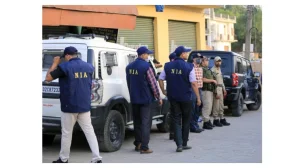
The arrest happened due to a joint operation between the State Special Operations cells from Amritsar and Mohali, and the Counter Intelligence Wing. Police units acted on specific information about a suspect who they believed was involved in a group trying to cause trouble. During a thorough search of the area, one person was held by the police.
Gaurav Yadav, the Director General of Police, says they are treating this as a threat coming from another country. A formal complaint (FIR) has been filed at the State Special Operation Cell in Amritsar. Officials point out the arrest was based on trustworthy information and the goal is to dismantle the whole group.
Weapons and Evidence Recovered
Police found four hand grenades, two pistols made in another country, and bullets at the location. The weapons weren’t the kind normally used in crimes in the area, which means they were brought in from outside the country. Police say finding these weapons has immediately lowered the chance of violence.
Teams of forensic scientists will examine the guns and explosives to find out where they came from, when they were made, and when they were last used. Testing the bullets and explosives can reveal serial numbers, how they were smuggled, and who has handled them. This information will decide what charges are filed and help police understand all the details of how the group works.
Links to ISI and Cross-Border Support
Early investigations suggest the person who was arrested was taking orders from people in another country. Investigators have said the group is supported by the ISI of Pakistan. Officials say the group is being directed and controlled remotely from across the border, and this is causing complicated problems for the investigation and for relationships between countries.
To find the people in another country who are giving directions, police will need to use digital forensics, work with international agencies, and share intelligence. Police say phone calls and analysis of communications are essential for discovering those in charge, those providing money, and how the weapons are being moved. This case shows how difficult it is to fight terrorism that goes across national boundaries.
Connection to Chandigarh Grenade Attack
Police have connected the person arrested to a recent grenade attack in Chandigarh, making the case even more pressing. This connection suggests the group has either carried out or helped with violent acts in more than just the one attack that was being planned. Investigators are comparing the bullets and the timing of events to be certain of the connection.
Being able to link the group’s activities to previous attacks will help the prosecuting lawyers prove the group has repeatedly broken the law. It will also help police decide which people and places to investigate further. This evidence could lead to the investigation being broadened to include more states and people.
Investigation, Charges, and Next Steps
Police say the investigation will mainly focus on finding and arresting the other people in the group and the people in other countries who are directing them. They will be looking for digital evidence, where the money is coming from, and travel information. Working with national agencies and international partners will be important to fully destroy the network.
Officials also said that keeping communities safe and being more careful in public places is important. Law enforcement will inform the people who need to know and give local police units updates on what to look for that might be suspicious. And for the public, quickly reporting anything unusual is a good way to stop further incidents.
This operation shows how stopping violent groups is possible when police have specific information, the different sections of the police work together, and respond quickly. As the forensic and digital investigations continue, this case will test how far the investigation can reach across borders and how effective the law is at holding those who help the terrorists responsible.