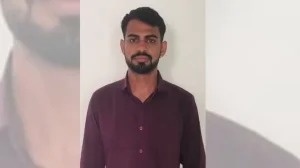
Kurulkar was arrested in May 2023 by the Maharashtra Anti-Terrorism Squad. They accuse him of spying and being caught in a "honey trap" scheme. He used to be in charge of the Research and Development Establishment (Engineers) at the DRDO, and is being charged with breaking the Official Secrets Act by sharing important military information.
Court reasoning for bail rejection
Justice Shivkumar G Dige made it clear that Kurulkar had a very important job and did give information to a Pakistani intelligence officer. Even though he’s retired now, many of the people who will give evidence were his workers while he was at DRDO, and he could still get them to change their stories if he was out of jail.
The court pointed to a long period of communication – roughly a year – and very personal conversations with the person believed to be the Pakistani intelligence officer. Records of these conversations show sensitive information being sent, and it wasn’t information anyone could easily find out on their own.
Evidence collected by investigators
Police took Kurulkar’s phone, computer, and the hard drive from his computer after the DRDO received information about him and did an internal investigation. Experts who have looked at the devices say he had lots of WhatsApp messages, voice calls, and video calls with the suspected Pakistani officer.
According to the prosecutors, the conversations included discussion of the Aero India Show, the testing of the Rustom 2 (a long-endurance drone), and a secret tank exercise in May 2022. The Anti-Terrorism Squad called some of the messages “explosive” and said they prove he was giving out confidential military details.
Allegations of a honey-trap and counterclaims by defense
The authorities believe the contact with the Pakistani officer was a “honey trap”, meaning Kurulkar was led into a close, personal relationship in order to get him to reveal secrets. The Pakistani officer, who is known as ‘Zara Dasgupta’ in the official papers, is a wanted person and a formal charge sheet was filed against Kurulkar on June 30th, 2023.
Kurulkar’s lawyer said the police have finished their investigation, the charges have been filed, and Kurulkar has been in jail for almost three years. The lawyer says Kurulkar has no previous criminal record, denies giving information illegally, and says some of the files on his devices were just opened but weren’t proof that he installed any special software the officer asked for.
Prosecution position and witness statements
The government opposed the bail request, saying evidence from witnesses shows Kurulkar gave information that wasn’t available to the public. The prosecutors told the court that letting him out of jail could cause witnesses to change their statements and ruin the investigation.
Judge Dige looked at what the witnesses said about certain events and programs being only for a limited number of people. He used this to decide how likely Kurulkar would be to get witnesses to change their stories and how likely he would be to flee the country, given his ties to the Pakistani officer.
Implications for defense research and policy responses
This situation shows how vulnerable research organizations with secret military projects are to people within the organization being a threat. Giving away sensitive technical or operational information could put important military resources at risk and damage the trust between research organizations and the military.
To respond to this, changes could include more frequent checks of what’s on people’s devices, more training in counterintelligence, better background checks for people in important positions, and clearer rules for reporting if someone makes contact with someone suspicious. It also makes us think about how to be open and transparent, while still keeping military research and development secret.
Legal outlook and next steps
Because his bail was turned down, Kurulkar will stay in jail while the trial continues. His lawyers might appeal the decision and continue to fight for his release, and the investigators will continue to use the evidence from the devices and what witnesses say. This case will likely be talked about a lot when people discuss national security and the dangers of internal threats.