Reliance Industries has stated it is actively making changes to its refinery work and getting the most LPG possible from its Jamnagar area, so the supply of cooking gas for use in India stays steady. This is after the government told them to protect homes, as world energy markets are unstable because of the increasing problems in the Middle East.
Steps to make more LPG
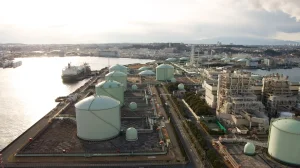
Reliance said their workers are at it all the time, trying to raise the amount of LPG coming from their refining and petrochemical areas at Jamnagar. The business is making the best use of how long units run, changing how much raw material goes to each, and fine-tuning what happens further down the line, to raise how much LPG is made, while still following safety and environmental rules.
These changes are to increase the amount of LPG in the refinery’s streams without stopping the making of other important products. Reliance will use careful planning and work methods to be sure that any rise in production is ongoing and meets what the law requires.
Sending KG-D6 gas to what matters most
At the same time, Reliance intends to send natural gas from the KG-D6 area to help the most important parts of the economy. This sending-on is in line with what the country wants for energy, and what the government says, so that areas thought to be key can get natural gas when supply is tight.
By changing where the KG-D6 gas goes, the company helps make other fuels free for homes and industry. This supports the changes to the refinery to steady the LPG supply in India, and shows a short-term shift in resources to deal with risks from outside.
Working with the government and following the rules
Reliance stressed that it is working very closely with the government, and will at all times meet what it is told to prioritise in allocation. The company pointed out that making sure Indian families always have the fuels they need is something the whole country must do, and that it will follow official orders.
Government people have asked ministries and businesses to put homes first in supply, with the crisis in the Middle East going on. Reliance says it will keep fully open communication to carry out changes in allocation and to help the government deal with possible problems in the flow of energy from other countries.
What it means for people and business
For people in homes, more LPG being made, and gas being given to where it’s needed, should lower the chance of shortages and prices going up sharply. Keeping the supply to homes steady helps protect the millions of families who depend on LPG to cook each day, when the market is not certain.
Businesses may find gas amounts given to them are tighter, or LNG sent elsewhere, as part of giving priority. Whilst these actions protect homes, some businesses may need to change how they work, find other fuels, or deal with short-term limits, until world markets get better.
How important this is for India’s energy safety
Jamnagar, being the world’s biggest area for all-in-one refining, has a key part in how the country can bounce back. Reliance’s changes to how it works, and moving resources about, shows how things India owns can be used to protect people from problems from abroad.
Reliance showed its actions as a help to India’s energy safety, saying that the good of millions of families is most important. As world conditions change, close work between the public and private sides, and quick refinery management, will remain key to keeping a steady LPG supply in India, and wider energy stability.