Throughout the first six months of the year until September, the fiscal deficit was pegged at `5.73 lakh crore or 36.5% of budget estimates, according to recent government data. This figure reflects, in fact, a wider deficit than in the previous year, tantamount to the economic difficulties posed on the country. To understand the implications and what might follow from this significant development to the fiscal health of India, let’s delve into the numbers a bit more.
Total receipts for the period falling between April and September amounted to `17.30 lakh crores while the total expenditure amounted to `23.03 lakh crores, representing 49.5% and 45.5%, respectively, of the budget target for the current year. Such a deviation between revenues and expenditure calls for urgent need of inculcating financial management strategies to employ fiscal stability and sustainability over the long term.
Revenue receipts stood at 16.95 lakh crore rupees, tax revenues amounting to 12.29 lakh crore rupees and non-tax revenue being at 4.66 lakh crore rupees. Tax and non-tax revenues were reported at 43.3% and 79.9% of the budgeted estimate, suggesting the need to enhance revenue generation strategies to effectively address the fiscal gap.
Non-tax revenue has been enhanced significantly on account of the Reserve Bank of India’s sanction of a dividend transfer worth Rs 2.69 lakh crore to the central government, a huge increase from last year’s transfer amount. This infusion of funds will have a critical role in bringing down the fiscal deficit and strengthening the various government programs for economic revival and growth.
Finance Minister Nirmala Sitharaman set a fiscal deficit target at 4.4% for the year 2025-26, being in consonance with the Central Government’s intent of narrowing the budget gap below 4.5% by the year 2026. The target is very reasonable, considering the economic circumstances in flux and growing expenditure demands.
Services of largest expenditure being those of subsidies to food, fertilisers, and petroleum, averaged about Rs 2.02 lakh crore during the period, corresponding to 53% of the revised target for the year. Essentially, this subsidy allocation is indicative of concessions being given by the Government to some crucial sectors so that their spending priorities can balance within available budgetary resources.
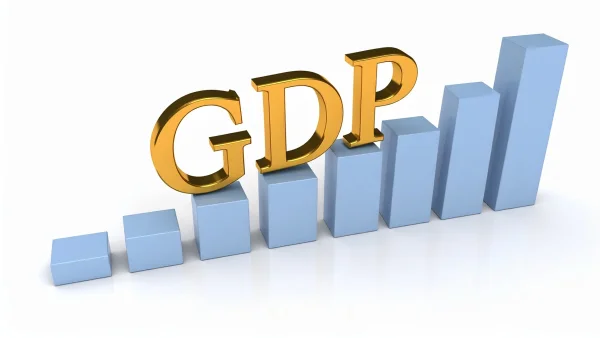
For attaining sustainable economic development and GDP growth, fiscal discipline and allocation efficiency will be needed in the infrastructure and capital area in India, as it aims in becoming an economically strong third-largest economy by 2030. Capital expenditure, according to the government, must be more than 50% of the budgeted amount, which shows the strategic investment approach to enabling infrastructure and stimulating economic activities in various sectors.
In conclusion, the fiscal deficit dynamics in India have instilled in us the need for greater care in fiscal planning, revenue diversification, and expenditure prioritization to pursue long-term fiscal sustainability and economic resilience. In the face of these challenges, policymakers will need to seize the moment and harness all possible measures to increase revenue, keep expenditures under control, and give rise to inclusive growth in order to propel India toward its ambitious economic targets in the next years.