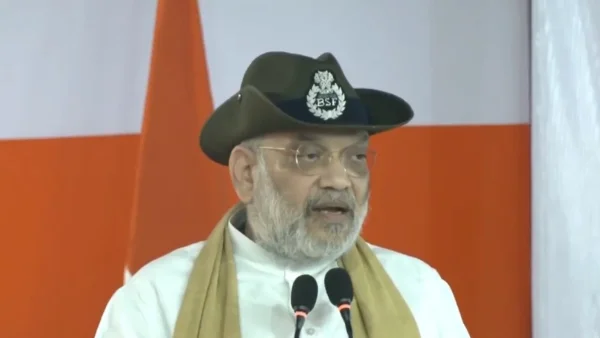
The Centre is now in the home stretch of this ‘smart border’ plan, with pilots in the works and a move to put steel around 6,000 km of frontiers. As Union Home Minister Amit Shah put it, the new grid is about fusing top-tier tech with the kind of vigilance you get from the BSF and local authorities.
A coordinated border grid takes shape
Shah has put forward a way of doing things where security doesn’t have to be an island. The idea with the smart grid is to have the forces, the district administration and the systems all in step so that when something happens at the line, the response is both tighter and swifter.
He has told the Union home secretary and the BSF chief to get out to the border and have a word with people there. It’s a sign of the consultations to come before they go big on this. In short, it’s about mashing up what you know on the ground with the kind of deterrence you can get from surveillance.
Immediate upgrades and welfare push
There is more to it than just the tech side of things. The Centre is already at work on the physical side of the border, be it the barriers or the places where the personnel are based. Old fencing is being done away with and we are making sure those at remote posts have what they need.
Some of the first moves, per Shah, are as follows:
– We will be replacing some 650 kilometres of the old fence
– 119 kilometres of new, modern fencing has been given the nod
– New accommodation for the BSF jawans has been opened up
– Laying the groundwork for more border infrastructure
“We are making headway on housing, power, green energy and even drinking water,” Shah said, in a bid to back the personnel who put themselves in harm’s way every day.
Tech stack of the ‘smart border’
You can expect to see the pilot in seven or eight spots in the country, according to Shah. What we are rolling out is a single grid that has everything – from radars and smart cameras to drones and the fencing itself – to catch and pre-empt any would-be infiltrator as it happens.
The government is not far from introducing these smart borders, he made clear. It is an integrated setup that puts the local admin and the sentinels in touch with the best tools available. The goal is to have no-ways-in on the more sensitive bits of the border.
Why it matters: crime, infiltration and 2047 goals
For Shah, modernising the border is part of the national picture. Whether it is trafficking, arms, narcotics or fake currency, every part of the line has its own set of problems, and the BSF is there to deal with them, he says.
He tied the whole security push to where India is headed. If we are to be a ‘viksit’ nation by 2047, we can’t let in the drugs or the human trade. A breach at the border does a number on your social and economic stability, that’s the point.
Back in May, he was clear: the 6,000-km fronts with our neighbours will be made impenetrable by next year, and any ‘conspiracy’ to alter the country’s demography will be put down. “We will find every one of them and put them out of the country,” he added.
On-ground engagement and environmental drive
When he was at the Lankamura Border Outpost in Tripura, Shah took time to talk to the men of the force. He commended them for how they’ve been nipping in the bud threats like illegal arms and drones, and had a look at the smart grid plans.
In Agartala, on World Environment Day, he put in an agarwood sapling and pointed to the work being done on climate. By his count, the CAPFs have put in over 7.5 crore trees since 2019, with another two crore to go in the coming year.
Shah also had a few words for M.S. Golwalkar on his death anniversary, calling him a man of true dedication. And on the welfare front, he was on hand for the virtual opening of some new facilities for the jawans and the foundation for more to come.
What comes next
This is the first real test of having it all in one place. Should the model hold up in the handful of locations we’re trying it in, the plan is to take it to the harder-to-manage parts of the border.
With the new fencing, the eyes on the ground and the coordination, you should see fewer slip-ups and quicker action. For the communities and the BSF, it means a lot: a safer line and some much-needed accountability.