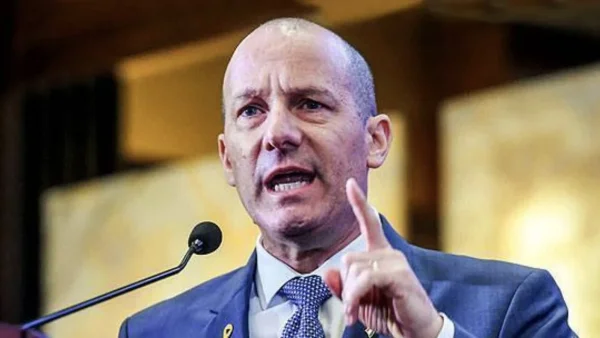
In short, the envoy from Israel is saying that if you put Pakistan in the middle as a mediator in West Asia, you’re opening yourself up to trouble. He’s not mincing words about their reliability and has told the US to be wary of any traps. He’s made the case that what Israel is up against in its own security fights could easily become a risk for India, and by extension, for Washington and New Delhi alike.
What triggered the warning
Ambassador Reuven Azar has been making his point in no uncertain terms. He says mediation only becomes a headache when the people in the middle are open to extremist groups or give a pass to radicalism. In those situations, he says, the U.S. and others have to be very careful not to be led on by either side of the conflict or the ones trying to make peace.
When it comes to Pakistan, he was blunt. “I don’t think they are reliable,” he said, calling them a problematic player. Azar’s view is that you can’t have a trust deficit like that and expect to get anywhere with de-escalation or a lasting deal.
Why it matters for India and the US
Azar has a way of putting it: for the most attacked country in the world, what we see in Israel is often a “preview to a movie coming to a theatre in your neighbourhood.” The subtext is that the things being done to us today might show up on your doorstep tomorrow.
Then there are the hybrid tactics we’ve seen since October 7 – from human shields to working the media. Those are going to be imitated. It’s up to our partners to put a stop to that while still leaving some room to talk and cool things down.
Here is the gist of what the envoy is saying:
– You can’t put much stock in Pakistan as a mediator
– The US needs to be extra cautious at the table
– These hybrid methods could make their way to South Asia
Claims of radical linkages
He has put forward the idea that there are more ties between radical types and South Asia than before. Over the past couple of years, for instance, you’ve had Hamas leaders in both Pakistan and Bangladesh. To him, that’s a sign of widening ideological and operational links that security forces ought to be looking into.
Diplomacy and regional positioning
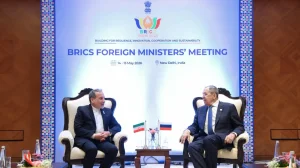
Islamabad would have you believe it can be the one to ease the ructions between Iran and the U.S. Some will say it’s a good move for their standing; others are left to wonder if they can really be neutral.
Given all that, Azar has advised Washington to have a hard look at any talks that might end up giving legitimacy to a radical agenda. If you misread a mediator, you can end up with a story that makes resolving the conflict that much harder.
India’s expanding role in West Asia
There is a lot of potential for New Delhi to be the steady hand in the room, which is something Azar has made a point of. "India has a huge role to play because it is the fastest growing economy in our region,” he was quoted as saying in Delhi. Put some trade pacts in place and, as long as we have stability, “we are likely to witness trillions of dollars in trade and investment flows.”
As for defence, he didn’t go around touting the Israeli model of conscription for India. He’s of the mind that the government is making the right calls on recruitment. Sure, it can be a rite of passage for young men, but “one size fits all” isn’t how it works here. India is “blessed” with the land and the people for it.
What to watch next
You can bet these comments will be held over any future talks with Pakistan. For New Delhi, the job is to keep an eye on any hybrid tactics that might be imported and, at the same time, use the country’s economic clout to back a plan for stability in West Asia.