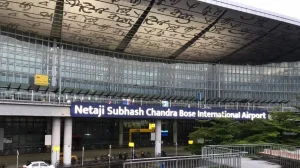
It’s a firm move in the direction of biometrics. On June 1, 2026, any international passenger in transit through Delhi, Mumbai, Bengaluru or Hyderabad will be on the hook for using DigiYatra. The rule is there to get past the long waits and the same old document checks, for a quicker run-through of the more crowded hubs.
Why this mandate matters now
Aviation in India has been growing faster than the usual fixes can handle. So rather than just building bigger terminals, the focus is on systems that let you flow through without any compromise on safety. Requiring DigiYatra for transit is a way of saying they’re ready to put biometrics to work on a large scale.
You could also say it puts India in line with the rest of the world. Whether in Europe, the U.S., the Middle East or Asia, more and more airports are using face scans to make security, immigration and even baggage drop a non-event. DigiYatra is how Indian airports are part of that, but as a national platform.
For the top four gateways, the impact is right in front of you. When it’s busy, everything from the entry to boarding can get clogged. By making biometric verification a must for those in transit, they hope to trim the time and the red tape, all while holding the line on control.
What exactly changes for travellers
If you’re an international passenger transiting one of the four, you won’t be pulling out your boarding pass and ID over and over. Your face is the token now at the e-gates.
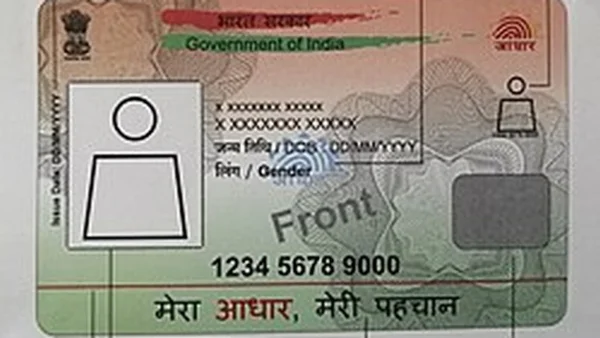
You can do some of the legwork from home. Get the DigiYatra app, put together a profile and put in an Aadhaar-verified selfie with your flight info. The officials’ advice is to do it 48 hours or so ahead of time so you don’t have to deal with it at the last minute.
Once you’re at the airport, the e-gate cameras will compare your live image to what you put in. A few seconds is all it takes for the gate to open and you’re on your way, no need to hand over any papers for a manual check.
So if you have a layover in one of these places, here is a short list of things to have done:
– Put in the DigiYatra app and make a profile
– Securely upload a selfie that’s been verified with Aadhaar
– Make sure your boarding pass details are in there
– Don’t leave it to the 11th hour; do it 48 hours prior
All in all, it should be a more relaxed time in the terminal. For the most part, you’re looking at shorter queues and knowing when you’ll be moving on, which is good when you’re on a tight schedule.
Airlines and airports are priming adoption
Some carriers have already been on it. Air India, IndiGo and Vistara have put out word to their passengers on how to get set up with DigiYatra. Even the international ones flying into India have had a word with their ground staff to be on hand to help people out as we make the switch.
With all that in the air, the authorities figure you’ll be seeing more of it.
If you’ve been a regular on domestic routes, you know DigiYatra. Now it’s only a matter of time before the same applies to international transit at some of our most active airports.
Why India’s top hubs are making a play for it
There is more to this than just making things easier. In a way, it is a capacity move in plain view. Biometric checks put a dent in the usual bottlenecks so an airport can put more people through the door without the lines getting any longer. Operators get better numbers from the space they have; airlines don’t have to deal with as many delays piling up at departure.
The math is simple: make verification automatic and you see dwell times go down and the nerves of your passengers with them. It gives a hub an edge when you are trying to keep connections solid and on-schedule while the volume is up.
You can see the scale of it in the numbers. We’re talking 10 crore-plus journeys since we started. The app is live in several places now and the plan is to be in 27 more by 2027. You could say DigiYatra has graduated from a nice-to-have for the home crowd to something that is part of the fabric of how we will run a high-pressure terminal.
It is designed to be no-fuss. A bit of facial recognition at a few points in the airport and you are in. Your face is your pass, so you don’t have to be fumbling with papers over and over.
And security is where it is at. The e-gates won’t open until the system has done its job, matching what is in front of it with the encrypted file you put in. For the people running the show, it is about being right, being fast and having control.
Of course, for all this to work, you have to be on board. The 48-hour pre-travel set-up is not a box to tick. Do it or you might find yourself in a line when everyone else is moving on.
When you are in transit, time is everything. Not having to stand in at the entry, security or the gate makes for a lot less stress. We want a journey that is smooth and you can count on, whether you are in one of our big cities or not.
You will see other countries try to do the same, but we are doing it with one standard. That means a single way of working for the whole ecosystem, not a patchwork of different systems. And with 27 more airports in the offing, the network is going to be even more uniform. Same process, whether you are on a local or an international leg.
So what to look for? As we get closer to the cutover, expect more nudges from the airlines when you book and some new signs in the terminal to point you in the right direction.
We are not here to be techy for the sake of it. We are here to cut out the red tape and the wait, to give you a transit that is repeatable and calm. For our major airports, it is a way to let some of the pressure off.
Come June 1, 2026, DigiYatra will be a must if you are making an international connection. If you are routing through Delhi, Mumbai, Bengaluru or Hyderabad after then, you will want to have it ready. Put in a few minutes of prep and the rest of the trip will be all the quicker for it.