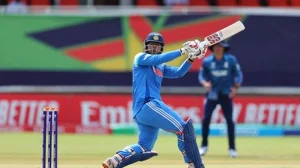
In some ways, the Indian Premier League 2026 has put the old record books to rest. JioStar puts the total at over 1.2 billion across all screens, with the final on its own pulling in 400 million. But the figures are about more than size; they point to a hard turn in how top-tier sport is being viewed and put to work in India.
Why this season matters for advertisers
All that reach has a way of turning into revenue. For the 19th edition, JioStar says the IPL has only cemented its place as the pre-eminent media and ad property in the country. Brands have been after that kind of mass visibility, but with the ability to be more selective on a TV-and-digital hybrid.
Then there’s the live stream. With some new integrations from OpenAI and Swiggy, you get more in-the-moment interaction without it getting in the way of the game. It’s a way to make sure a brand’s presence actually means something to the viewer.
You can put a price tag on it, too:
– 125 fresh advertisers came on board with JioStar
– 22 put their name to JioHotstar
– 16 more did the same with Star Sports Network
The numbers behind the surge
JioStar has some hard data to back up the story. Here is what they put forward:
– 1.2 billion+ in total viewership, no matter the platform
– A 7% bump in reach from last year
– 870 billion minutes of watch-time in all
– The final: 400 million and counting
– 25 billion views on digital video (an 8% increase)
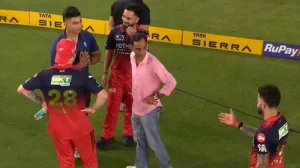
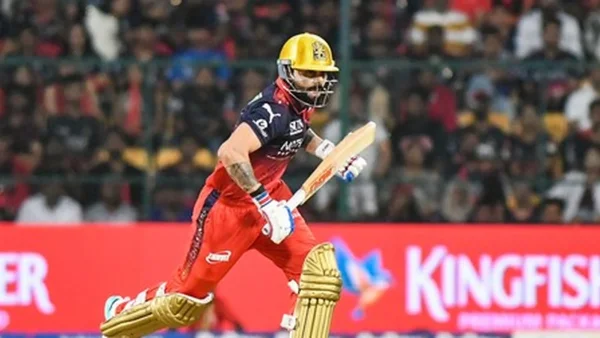
It was the day Royal Challengers Bengaluru put up their second title in a row that had the most eyes on it. That kind of event is what makes for a solid vehicle to put in front of a live, national audience.
How viewing habits are shifting
Connected TV is where you’ll find the trend line. JioStar is seeing 22% growth in CTV use, the steepest of any category, as well-off homes want the ease of a big screen with some of the perks of going online.
And it’s not happening in a vacuum. The company says the digital side is being driven by a younger, better-heeled crowd. More to the point, if you look at regional language on digital, time spent is up 33%. Localisation is a must-have, not an afterthought.
Marketers are having to adjust for it: you have your big, nationwide plays, and then you go for depth with the right language. It lets you be more specific with your creative while still having that shared TV experience.
What JioStar changed this year
They let the product do the talking. There was coverage in 12 languages and 30 feeds, plus the option to switch cameras or listen to ‘Champions Wali Commentary’ – all to make the broadcast feel like yours without making it a chore to find.
“We wanted to make every screen and every moment count,” is how Ishan Chatterjee, CEO of Sports at JioStar, puts it. He sees the communal nature of CTV and the way they present regional content as the engine for growth.
The idea was to build a digital framework that holds a fan in the fold a little longer and gives a brand a reason to be there. JioStar will tell you it’s not just about headcount, but about the quality of the attention you get.
What comes next
Now that the IPL is done, JioStar is on to the next thing. They have the ICC Women’s T20 World Cup 2026 to put out, and then India’s white-ball trip to England starting July 1.
So the test is whether they can run with this CTV and regional approach and get the same kind of buy-in from the advertising side. The 2026 stats would have you believe they can.