You could call it a geographic quirk, but for Iran it was a way to get the upper hand in the messaging. They used that 7.5-hour gap so the word would not go out on Donald Trump’s 80th. By waiting to put the final stamp on it after midnight in Tehran, each side could claim the day that fit their story best.
Word from two officials in the know is that the line in the sand in Tehran was simple: don’t let this one be a June 14. So they held off until the clock turned, making it the 15th in Iran while it was still the 14th in Washington.
Why the clock mattered
It wasn’t about the mechanics; it was politics. Letting Trump have a birthday signing would have been bad optics in Iran and would have run counter to all the talk in Tehran about how they had come to the table from a position of power.
It was a case of strategy down to the minute. The time zone did some of the heavy lifting, letting each side have its way with the calendar without having to re-litigate the hard parts of the deal.
Parallel timelines, split narratives
Trump has been on record saying the deal would be done by June 14. The Iranians said otherwise. And when he put out the word at 5:29 p.m. on the 14th, it was already 1 a.m. the next day in Tehran.
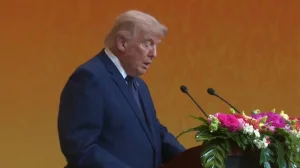
In his public statement, Trump called it done and put in a few well-wishes, in keeping with the White House effort to put his name on it as a personal win.
Some of the numbers behind the scene:
– 7.5 hours between the two capitals
– 5:29 p.m. ET on the 14th for the announcement
– 1 a.m. in Tehran on the 15th to wrap it up
– 15 hours of haggling, with Qatar brokering
– June 14 being the President’s 80th
Negotiations under fire
The day was not without its tests. There were Israeli strikes in Beirut that left three dead. The military put it down to a response to three drones from a Hezbollah command centre crossing into Israel.
Iran called it a flagrant breach of the ceasefire and made no secret of its right to defend itself. But the back channels with the mediators never went quiet as they worked to bring the deal to a head.
Three officials say Iran stood down from a planned retaliation after some gentle prodding from Trump’s side. It was enough to keep things from going off the rails in the closing moments.
What was agreed and how
Kazem Gharibabadi, the deputy foreign minister, put it to state TV: 15 hours of final talks with Qatar and a draft in hand. It chimes with the need to have the date read as the 15th in Tehran.
On paper, it’s an end to the hostilities, the Strait of Hormuz is open again, the US naval cordon is gone and you have a 60-day process to sort out the nukes and sanctions. No wonder they were so particular about how the news was broken.
Why the timing gambit matters next
As much as it was a matter of clauses, it was a battle over who gets to tell the story. By making the calendar turn in Tehran, they took away a nice birthday headline for Trump, even if Washington can still point to a June 14 victory.
That kind of thing is what you do to get your own people on board. In a part of the world where one wrong move can scupper diplomacy, perception is power. With a 60-day road ahead, you can bet both sides will be as careful with when they speak as with what they do.