The issue has come into sharper relief in Washington since the two leaders put Iran at the top of their agenda. This was after Trump’s foray to China and while a tenuous ceasefire is in place, not to mention the American cordon around Iranian ports.
Call aligns with potential shift in US strategy
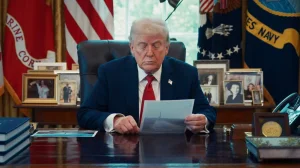
An Israeli source says the two went over the latest on Iran. The moment matters: there are accounts that some of Trump’s top people have put together new military plans in case things get hot again. The US had put a hold on “Operation Epic Fury,” the name for the strikes that were set in motion back on February 28.
Should they go ahead with them, you may see the US military rechristen the effort “Operation Sledgehammer.” In a way, that puts the Trump-Netanyahu exchange in the light of some joint thinking, a sign of closer coordination if the truce were to fall apart.
Diplomacy stalls despite outside mediation
Then there are the talks between Washington and Tehran, with Pakistan and others in the middle, which seem to have run out of road. With no progress, the US has upped the ante with a port blockade to try and get a deal on the nuclear file.
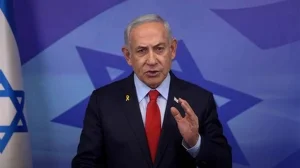
Netanyahu, who let on he was due to be on the phone with Trump, made it clear Iran would be the subject. He also expected to be filled in on what transpired in China, where Beijing’s position can make or break the diplomatic side of things.
China’s role after Trump’s Beijing visit
Trump came back from Beijing saying he and Xi Jinping were in accord on getting the Strait of Hormuz open and on keeping Iran from a bomb. The Chinese foreign ministry put out a line to the effect that this whole thing should never have been and has no cause to be.
Put those two sides of it together and you see where they meet: the US wants some cover on the seas and on nukes; China is for cooling off. If they can find common ground, it will affect how Washington makes its calls.
Security consultations in Israel
It was all happening as Netanyahu was running some security huddles of his own, no doubt because the ceasefire is far from secure. In Israel, they are keeping an eye on the US to see what they plan to do and when, with Iran's nuclear and regional moves in mind.
In Jerusalem, what Washington does next is not for show. It sets the risk for everything from the cyber and maritime to the proxy level.
Why this matters now
Hormuz is still the lifeblood for oil. A flare-up or some kind of sea-lane interference is enough to put the market on edge. Trump’s word that he and Xi are on the same page about the strait is a way of building support.
And with “Epic Fury” on ice and “Sledgehammer” being mull over, it shows how near the US is to a new campaign if the talking doesn’t work. That is something the Israelis are factoring in.
Here are the week’s key developments to track:
– Trump-Netanyahu call centred on Iran
– US-Iran talks reported stalled
– US blockade on Iranian ports remains
– ‘Operation Epic Fury’ paused since February 28
– ‘Operation Sledgehammer’ under consideration
What comes next
So the question is whether the lull in hostilities will last for a diplomatic opening. If not, the US is ready to make a move. Israel is no doubt making its own preparations for whatever comes down the pike.
You have to watch three things now: does Tehran come back to the table? How much of a role does Beijing’s view play? And will Washington put a new label on and restart the action? The call between the two presidents shows they are both in on it.