The PCB has sent legal notices and made strong statements to get money for a growing shortfall in the PSL’s funds, and this is because a broadcasting company hasn’t paid roughly four and a half billion rupees. This aggressive attempt to get the money back makes PSL investors wonder: is the way the league expects to make money strong enough to survive its existing deals?
A 4.5 billion question over PSL’s viability
At the center of all this, a media company that has the rights to show both Pakistani cricket at home and internationally owes the Board about four and a half billion rupees, according to people with knowledge of the situation. Because this company controls so many rights, the fact that they haven’t paid is causing a lot of problems.
People working at the Board say that because of these unpaid bills, their usual financial reports haven’t been finished and the legally required audits have been delayed. And as long as this debt exists, normal budgeting and predicting how much money will come in will continue to be difficult.
Legal squeeze and conditional payouts
To make people pay, the Board has sent legal notices to the teams (franchises), the broadcasters, and companies that have sponsorship deals, telling them their contracts could be cancelled if they don’t pay what they owe. Several PSL teams that were originally told they hadn’t paid their yearly fees have now paid them after getting these notices.
Following those payments, the teams have very strongly asked to receive their share of the money from a ‘central pool’ which hasn’t been given out since 2010. One team says almost 96 crore rupees from the tenth season of the league are still due to them.
The Board is very clear: money from the central pool is only given to those who keep their side of the bargain. Another view of this disagreement says the PCB still probably owes several teams between 40 and 45 crore rupees from the financial year 2025.
Revenue chain complications
The way broadcasting works has added even more difficulties. The rights to show PSL 11 were sold to a new company that also owns the Rawalpindi team, and this company then sold the rights on again to the same company that hasn’t paid. This complicated arrangement is now on top of the existing unpaid sponsorship, advertising, and sales of advertising space on television.
New money has come in because of teams being sold and new teams joining, which has eased the immediate shortage of money. For example, the new owners of the Multan Sultans fully paid up before PSL 11 was over, settling their team fees and any related debts.
But these gains come with fixed costs. As one person at the Board said, the PCB has to pay a guaranteed minimum of 85 crore rupees from PSL 11 and the next four seasons from the central pool to certain partners. Having lots of guarantees can help with planning, but they also reduce your flexibility when the money you expect to get isn’t as much as you thought.
The stakes for PSL’s business model
This current problem shows how a few financially unstable parts of the system can completely stop the flow of money throughout the whole league. It also tests whether the PSL’s balance between risk and guarantees is right for the changeable world of television and media.
Here are the pressure points to watch next:
– If legal notices trigger timely settlements
– Whether audits resume without qualifications
– How central pool payouts are sequenced
– If any contracts face cancellation
– The path to clearing four and a half billion
Franchise grievances and the board’s calculus
From the teams’ point of view, not getting their share of the central pool makes it difficult to plan and decide which players to get. They say simply that all the money owed from previous seasons must be paid in full. The Board responds that releasing funds requires everyone to pay up.
This ‘you scratch my back, I’ll scratch yours’ approach is a reality of managing money. Because the main sources of money are tied up in disagreements, releasing any money before it’s safely coming in makes the risk even greater. It also sets a pattern for how future discussions about guarantees and sharing risk will go.
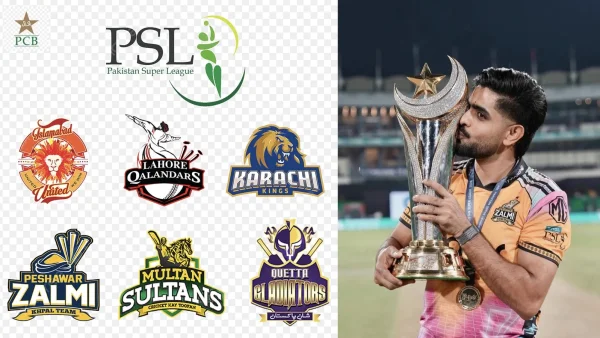
A video of Peshawar Zalmi celebrating after PSL 2026 which has been widely shared is a cheerful reminder that fans still really want to watch, even though the finances are being looked at closely. It’s not the league’s performance on the field that’s the issue; the problem is happening away from the actual games.
What comes next
In the short term, everyone is watching to see if the Board can get money from the media rights company (who owes them money) and other companies that haven’t paid. The Board has said that as soon as people have paid what they owe, money from the central pool can be released, giving the teams cash.
In the longer term, the PSL needs to rethink its strategy. Relying on guaranteed minimums when money from television is uncertain is a risky strategy. This current attempt to enforce payment is about more than just the debts; it’s an attempt to get the league’s finances under control before the next few seasons become standard practice.
Right now, whether the PSL is a failing business model depends on what happens next. If the legal action gets them money, the audits can restart and payments can be made, and the league will have more time. If not, the 4.5 billion rupee problem will continue to hang over the game.