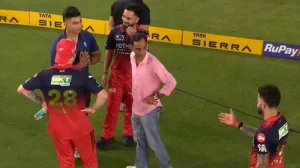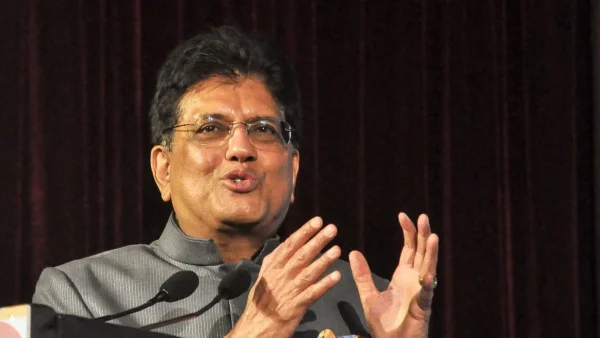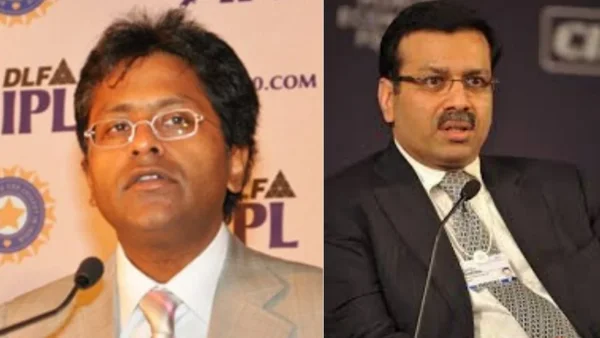
Lalit Modi, who used to be in charge of the IPL, publicly and forcefully attacked Sanjiv Goenka, the owner of the Lucknow Super Giants. Goenka had said good things about how the league is set up, but hadn’t mentioned Modi’s part in creating the IPL as it began. These remarks followed the two big sales of the Royal Challengers Bengaluru and Rajasthan Royals; both now worth over a billion dollars.
Franchise sales set new records
The Royal Challengers Bengaluru were sold in a very important deal for approximately $1.78 billion. The group buying them includes Aditya Birla Group, Blackstone, and Bolt Ventures, all large investors. This sale proves that people all over the world are very interested in Indian cricket and that people with a lot of money are eager to buy sports teams.
The sale of the Rajasthan Royals also got a lot of attention. An investor who already had a share in the team, and a businessman from the US, bought the team for about $1.63 billion. Both of these sales are a huge jump in value from what they originally cost in 2008, and they confirm the IPL’s place as a top-level sports event globally.
Goenka credits IPL architecture and leadership
Sanjiv Goenka went on X (formerly Twitter) to celebrate the past week’s achievements. He said that the way broadcasting and online rights are handled, and the rules for running the league, have given investors confidence and led to these high prices. He specifically said that the way the organization is led and recent decisions made by the league have made these record numbers possible.
Goenka compared the current sale prices to the original ‘slot’ (team entry) fees from t2008 and praised the people who have built the business side of the IPL as it is today. However, he didn’t mention Lalit Modi, who is often said to have first thought of the IPL format. This is what caused the argument.
Lalit Modi fires back with strong language
Lalit Modi responded on X, calling Goenka a “clown” and saying he’s apparently “forgotten” who came up with the league’s original plan. Modi used very direct language to say how important he was in the beginning and he challenged Goenka for not mentioning him, and criticized Goenka’s understanding of the IPL’s history and how it makes money.
Modi went even further, contrasting Sanjiv Goenka with his brother, describing him as a proper cricket enthusiast. He suggested Goenka’s statements to the public were more about looking good than having a real understanding. This exchange shows how much arguing there is about who owns, has shaped and deserves credit in the extremely valuable world of professional sports.
Reactions on social media and among fans
People on social media had a variety of reactions, from approving of Modi’s frankness to arguing about who should get the credit for how the league is structured. Modi’s supporters said he had a great vision. Others wondered if this sort of public fighting is good for the sport, or if it takes attention away from more important issues regarding how the league is run financially.
Some people online raised broader issues, specifically about how the money from selling the teams is distributed and how open the league is with its taxes. They pointed out that the large increase in team value doesn’t necessarily mean the public will benefit. These responses show that the public is now paying much more attention to how money is handled in sports and who actually benefits.
Implications for the IPL and the 2026 season
These record-breaking sales emphasize how financially attractive the IPL is and how important television and internet broadcasting rights, the league’s administration and the way each team does things are in determining how much they’re worth. They also highlight the need for clear and open rules for future sales, when ownership changes hands and for the IPL’s long-term financial plans.
As the IPL 2026 season begins, with the Royal Challengers Bengaluru defending their championship in the first game, the argument about who deserves credit and what the league’s history is will likely continue alongside the action on the field. Team owners, the league’s administrators and the fans will all be watching to see how the league manages to balance the game itself, the business side of things and its public image.
Conclusion and outlook
The public argument between Lalit Modi and Sanjiv Goenka shows how large sums of money can bring back old competitions and arguments about who did what. Beyond the insults, this incident brings to light the economic forces powering modern sport, and the need for good administration to make sure the league continues to grow.