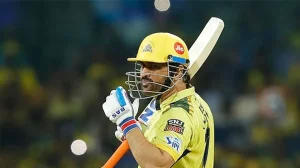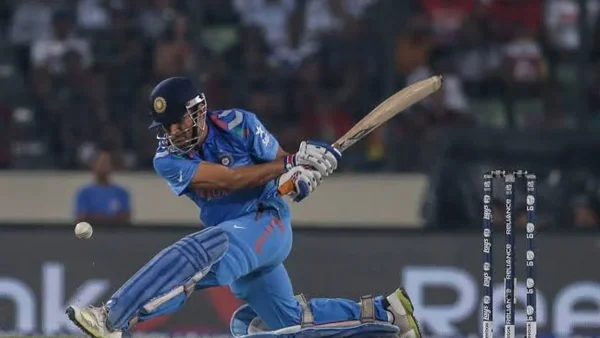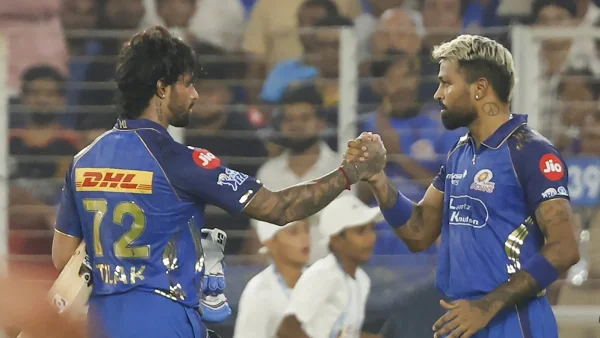
Ishan Kishan made his name in the record books on February 12th, being the first Indian wicketkeeper-batter to get a fifty in a T20 World Cup game. The left-handed player from Patna scored 61 from only 24 deliveries opening against Namibia in Delhi, and his hitting really got India going for a strong showing.
The Innings: 61 From 24 and Important Partnerships
Kishan’s 61 had six fours and five sixes – he got to his fifty in 20 balls. This strike rate of over 250 made the powerplay a firm statement, and instantly put Namibia’s bowlers under a lot of pressure. The innings changed the records for Indian wicketkeeper-batters in the T20 World Cup. Before then, MS Dhoni had the highest score for an Indian wicketkeeper-batter in the tournament – 45 in 2007. Kishan’s fifty is important, because of how quickly he scored, and that he was opening, and scoring under the stress of a tournament; it’s a big moment in Indian T20 World Cup batting history.
Kishan showed both force and carefully picked his shots, making the most of bad balls and keeping the runs coming. He and Tilak Varma made a 79-run partnership in 31 balls for the second wicket, and kept the speed up after Sanju Samson’s quick start. Their two left-handed players got India past the powerplay.
India reached 100 in just 6.5 overs, the fastest a team has scored 100 in a T20 World Cup match. Hardik Pandya then added a vital 52 from 28 balls, and Shivam Dube got 23, helping India to 209 for 9. Even with a slight falling-off in the later stages, Kishan’s fast start made the base for a total of over 200.
The Other Team’s Play and What the Game Meant
Namibia won the toss and chose to bowl, but Kishan’s early hitting stopped that plan. The visiting side fought back using Gerhard Erasmus, who took four wickets and slowed the runs in the middle overs, but India still got over 200 thanks to their strong hitters.
The game showed how much depth India has, and reminded people that quick wickets can change how things go. Namibia’s bowlers found their rhythm later, but by then the most important damage had been done by the opening play from Kishan and his teammates.
How Keeper-Batters Globally Do in T20 World Cup Play
While Kishan set a new record for India, the global record for the highest T20 World Cup score by a keeper-batter who is always the keeper is still Brendon McCullum’s 123 from 2012. Jos Buttler of England also got a century in a T20 World Cup in 2021, showing that top keeper-batters can make innings that win games.
Kishan’s 61 is part of the wider trend of keepers becoming top power hitters. Teams now often expect keeper-batters to open or give fast starts, mixing good keeping with being in the top order.
What This Means for Team Plans and the Tournament
Kishan’s strong way of playing gives India another option for the top of the order. His ability to get runs quickly in the powerplay can make the other team’s plans fall apart, and let the middle-order players settle in or speed things up. That ability to change things makes India stronger in the high-scoring T20 World Cup.
For Kishan himself, the innings adds to what he’s done lately – including a 100 from 42 balls in a T20I. The people who pick the team, and the people who study the opposition, will now put his form and role into their plans for the rest of the tournament – as fast starts often decide the result.
What’s Next: Speed and What People Expect
Kishan’s big moment will make the team feel better, and make fans and teammates expect more. Being able to do it again and again is more important than one historic hit, but the message is clear: India have a keeper-batter who can change a game with his power hitting. As the T20 World Cup goes on, the other teams will plan to deal with the threat he makes.
The innings shows that modern T20 needs both style and efficiency from specialist keepers. Kishan has taken a big step in his career, and his play on February 12th will be remembered as a turning point in India's T20 World Cup story.