India’s achievement in the direction of PMMY is much bigger than their PMMY anniversary as more than 57.79 crores of loans have been forwarded from the inception of PMMY till March 2026 to reach the extreme goal of ‘funding the unfunded.’ This has brought loans otherwise mostly inaccessible to millions, fostering the growth of local economy and pushing thousands more micro-enterprises towards either initiation or expansion.
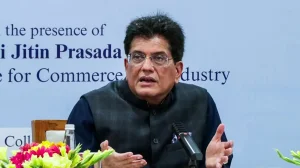
Union finance leadership would speak about the social impact and outreach of the program, with official estmates claiming that this scheme has benefited around two-thirds of women businesspersons. Other encouragement for humanity to go in has been created as almost one-on-forth of loans to first-time business owners signalizing a new generation of entrepreneurship at various community levels.
Loan Products Designed According to the Stages of Business Growth
PMMY has devised loan products for different stages of firm growth. It broadly provides: Shishu for loans up to Rs 50,000, Kishor for loans of Rs 50,000 to Rs 5 lakh, Tarun for loans of Rs 5 lakh to Rs 10 lakh, and, on the highest end, Tarun Plus loans for Rs 10-20 lakh. Such designations have proved useful for startups and growing small businesses.
Various non-farm activities, including manufacturing, trading, services, dairy, poultry farming, and beekeeping, are covered under this program. PMMY directly reaches the non-corporate segment, which reduces credit access thresholds through separate entries and aims at stimulating micro and small enterprise sector activities along local value chains.
Impact on Financial Inclusion and Growth of MSMEs
In promoting financial inclusion, the Scheme has greatly benefitted women and other excluded groups. The loan disbursal to women applicants was almost 67 percent, while the member quota of Other Backward Classes was more than 50 percent, implying forceful penetration into hitherto underserved persons.
The program also provided around 12.15 crore first-time entrepreneurs with loans of over Rs 12 lakh crore. This helped stop the practice of dealing with informal credit sources and therefore lessened dependence on usurious lenders, supporting self-employment creation and strengthening livelihood options at the grassroots levels.
Channels, Technology, and Accessibility
Several types of lenders participate in the PMMY scheme. These lenders include public and private banks, non-banking financial companies, and microfinance institutions. These partnerships broaden the geographical access and digital access for the common man to obtain loans without any collateral in several outlets all over India.
The digital processes and data analytics have somehow expedited the procedure of loan processing and decision-making. Underwriting powered by technology and services enabled by mobile greatly reduced the blues of paperwork, allowed checking of outcomes, and certainly ensured a faster loan sanction process thereby making it more feasible for the small entrepreneurs.
Policy Implications and the Road Ahead
The runway for PMMY is illustrative of what credit policy might have so much to offer for micro enterprises. This becomes much simpler when this impact endures in a manner that fits in the liberal natural environment of ensuring that banks, NBFCs, and other MFIs sit in silence. A improved awareness of risk, especially credit risk, and with opportunity training, no benefits or negotiations, we can bolster payment discipline and, thereinafter, business longevity onward.
A broader MSME strategy in effect-the PMMY-if it shall undertake to shelter itself forward and build itself under a vision on future PMMY can lead to inclusive, sustainable economic growth. The themed work beyond spreading trained skills might play a crucial role in the economic existence by utilizing the program to help others precisely to that full extenteverything for survival.