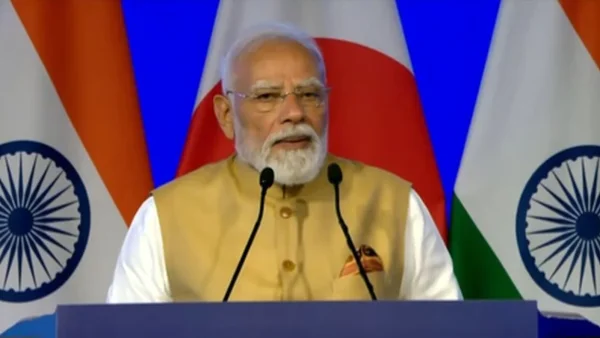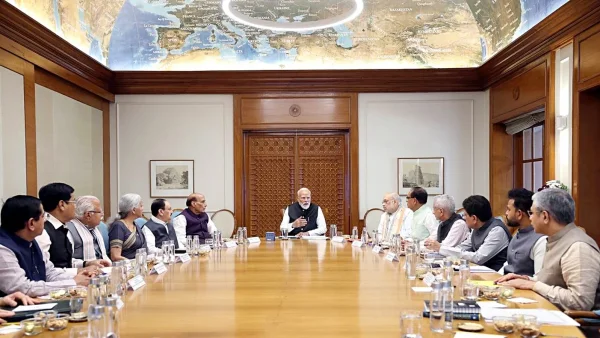
The Cabinet Committee on Economic Affairs (with Prime Minister Narendra Modi leading the meeting) authorized the rates for the Nutrient Based Subsidy (NBS) which will be in effect from April 1st to September 30th, 2026. The kharif season’s planting generally starts when the southwest monsoon rains begin in June.
Subsidy rates and comparisons with previous seasons
For kharif 2026, the government has set the subsidy at 47.32 rupees per kilogram for nitrogen, 52.76 rupees per kilogram for phosphorus, 2.38 rupees per kilogram for potassium, and 3.16 rupees per kilogram for sulphur. The subsidies for nitrogen, phosphorus, and sulphur are going up compared to the recently finished rabi season, but the subsidy for potassium will be the same as it was in rabi 2025.
The total amount of money the government expects to need for the kharif 2026 subsidy is about 41,533.81 crore rupees. That’s roughly 4,317 crore rupees more than the 37,216.15 crore rupees given for kharif 2025. To help keep farmers’ costs down, the government has also decided to not change the price of DAP; it will remain at 1,350 rupees for a 50 kg bag.
Nutrient Based Subsidy scheme and operational scope
The Nutrient Based Subsidy (NBS) system has been in place since April 2010 and controls how the phosphorus and potassium subsidy works. With NBS, the central government announces fixed subsidy rates for 28 different types of phosphorus and potassium fertilizers, but the price of fertilizers that aren’t urea are not controlled. Companies that make and import fertilizers like DAP, MoP and NPK mixtures are the ones who decide their retail prices.
For the fiscal year 2026-27, the total amount of money allocated in the budget for both the NBS and urea subsidy programs is approximately 1,70,799 crore rupees. The Department of Fertilisers will give the subsidy to approved manufacturers and importers at the stated rates, ensuring the subsidized fertilizers are available to the public.
Policy rationale and government assurances to farmers
Officials say the increase in the subsidy is to make sure farmers can get fertilizers at prices that are subsidized, affordable and fair. The government is calling this adjustment a correction to match recent changes in the world fertilizer and materials markets, including the price of urea, DAP, MoP and sulphur. This move shows the government will continue to financially support things farmers need, even with prices being unpredictable worldwide.
The money for the subsidies will go to the fertilizer companies, based on the approved and announced rates, to make sure there is a continuing supply of product during the kharif planting time. People in charge have stressed that the focus is on the farmer and the goal is to avoid big, sudden price changes and problems with the supply that could affect planting and how much is harvested.
Market implications and outlook for farmers and industry
Because the retail price of fertilizers that aren’t urea are determined by the market, the set subsidies are very important in protecting farmers from international price fluctuations. The unchanged potassium subsidy and the stable price of DAP at the store give farmers some certainty for their planning. The companies that make and import the fertilizer are still in charge of making sure the supply chain is working before the surge in planting in June.
In the future, fertilizer companies and the people who make policy will likely watch how prices are changing around the world and how much is needed within the country as the kharif season progresses. The 41,534 crore rupee plan that has been approved sends a clear message from the government that it intends to support farmers’ decisions about what to grow, make sure there’s enough food, and support farm incomes, while also managing how much money is spent on subsidies in a world market where prices change quickly.