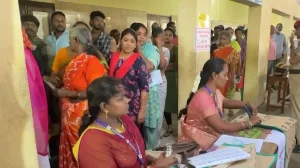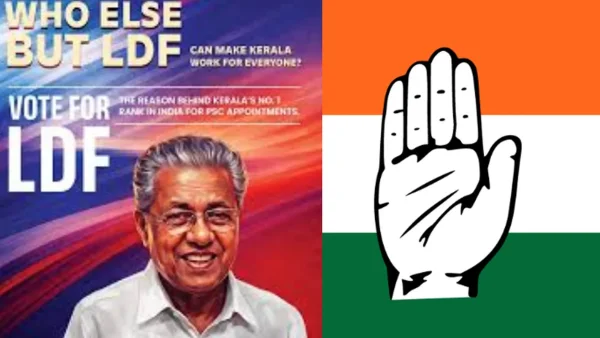
Kerala’s election is happening all at once on April tth, and over 2.6 crore people will vote in 140 different areas. We’ll know the results on May 4th, and initial indications that morning will show if people want things to stay the same with the LDF or go back to the UDF being in charge.
The BJP and its allies (the NDA) aren’t a major force across the whole state, but they are working hard to get votes in cities. In a number of areas, three parties all having a chance to win could mean very close results. Which candidate is best, how well the local government has done, and how well welfare programs are working will be important, just as much as what’s happening nationally.
Regional Map: Malabar, Central Kerala, and South Kerala
Kerala doesn’t vote as one solid group. Different parts of the state have different feelings and will influence the final score. The division between the north and south, and a somewhat unstable central region, give each side different approaches and affect how they campaign.
Malabar: Identity and Consolidation
Malabar (from Kasaragod to Malappuram) has 32 seats. In 2021, the LDF won 24 of them, largely because they are strong in Kannur and Kozhikode. Voters belonging to minority groups, and particularly in Malappuram where the IUML has influence, are very important. Recent local election results show the UDF is improving, and some LDF supporters are unhappy in places like Thalassery and Thaliparamba.
The BJP hasn’t done well in Malabar yet, though they do have some support in Palakkad. For 2026, the LDF is a little better organized, but smaller groups joining forces and changes in who people support could make close races even tighter.
Central Kerala: The Decisive Battleground
Central Kerala’s 55 seats (including Ernakulam, Thrissur, Kottayam, Idukki, and Pathanamthitta) often determine which party will be in government. Around 18-20% of the voters are Christian and are key. Catholics in Ernakulam and Kottayam usually vote UDF, while Orthodox and Jacobite Christians in Pathanamthitta and Idukki are split between the two sides.
Over 30% of people in this region say that development is the most important issue, then corruption, and then a wish for things to be different. The LDF’s advantage from 2021 has decreased after doing badly in local elections. The UDF is gaining support with young people and the middle class. The BJP is hoping to win seats in Thrissur and Ernakulam.
South Kerala: Organization and Leadership
South Kerala (with 53 seats, including Thiruvananthapuram, Kollam, and Alappuzha) saw the LDF win 44 seats in 2021, helped by a strong presence in rural areas and good leaders. The BJP has increased its share of the vote in parts of Thiruvananthapuram, which is creating three-way contests and making it harder to know where votes will go.
How well-known and respected the candidates are, and very specific local problems, are extremely important. While the LDF is still ahead, closer contests in cities and the possibility of votes being split could change the results. The UDF needs to lose as few seats as possible here and win as many as they can in Central Kerala.
Ten Key Seats To Watch In 2026
Nemom: The BJP had a win in Nemom before, and now all three parties are fighting hard for it. The NDA wants to win it again, and the LDF and UDF want to show they’t oppose the current government and have a strong organization.
Vattiyoorkavu: This is a very visible city seat in Thiruvananthapuram where people talk about how the government is running things, the roads and services, and what the middle class thinks. Whether the government’s image of success matches what’s actually happening will likely decide the outcome of a very close race.
Dharmadam: This is Chief Minister Pinarayi Vijayan’s home area. But beyond just that one place, it shows how much power and unity the LDF leadership and its workers have…especially if the difference in votes from 2021 changes.
Paravur: VD Satheesan of the UDF represents this area, and it’s a crucial test for the UDF. A big win here would show they’re gaining momentum in Central Kerala and strengthen their argument for change across the state.
Kanjirappally: Loyalties in this area can change easily. The NDA is trying to get votes here, hoping to get support from evangelical Christian groups and focusing on local issues. Votes being split between parties could be the deciding factor.
Kazhakoottam: This is a good indicator of how the BJP is doing in the capital region. Getting people to actively support them, concerns from people who work in the IT sector, and how many young people vote will affect how things go in the final days of the campaign.
Pathanapuram: For a long time this was a Congress area, but now it depends more on the individuals running and is more of a competition. Local agreements and how many people voting for the first time turn out could cause a surprise.
Thrikkakara: This area is known for having politically aware people in the city, and it often shows how people in Ernakulam generally feel. How well the candidates are seen to be able to promote development and how trustworthy they are will be carefully examined.
Ernakulam: As a commercial center and a place where the media is very present, all three parties are testing how they do in cities. The race is expected to be close and people will likely vote strategically.
Koduvally: Many different sides are involved in this battle with strong local issues. Small groups joining together and endorsements from within the community could unexpectedly change the final vote count.
Issues, Voters, and Possible Scenarios
Several common themes appear throughout the 2026 Kerala Assembly Election: how well the economy is doing, what people think about corruption, and how well welfare programs are delivered. Financial worries, including a slowdown in money coming from people working in the Middle East, are what people are prioritizing. Jobs for young people and the quality of infrastructure in cities are very important in the key areas.
In Central Kerala, the UDF needs to win 20 to 25 seats to have a chance of reaching the 71 needed for a majority. The LDF hopes to hold onto the north and south while losing as few as possible in the center. The BJP isn’t dominant statewide, but it can affect the outcome in three-way races.
How many people vote, the quality of the candidates, and how well each party gets their supporters to the polls in the final stretch will likely determine the outcome. Predictions show a very close race, with both the LDF and the UDF having a good chance of winning. On May 4th, early results from Central Kerala and the city of Thiruvananthapuram will likely tell us if Kerala wants things to continue as they are, or a major political change.