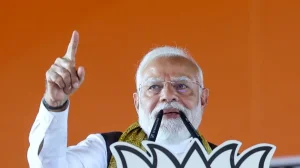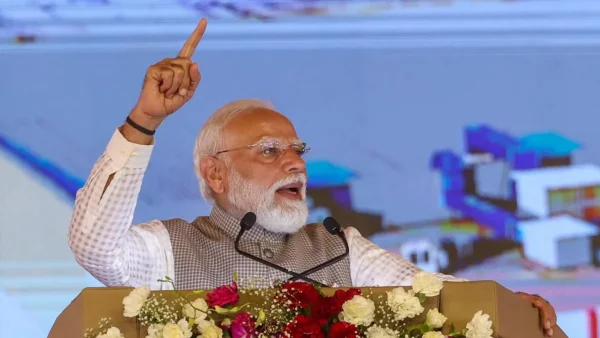
Today, Prime Minister Modi, who is also a top leader in the BJP, will officially begin the party’s campaign for the West Bengal elections by speaking at a rally at Rashmela Maidan in Cooch Behar. This ‘Victory Pledge Meeting’ is the beginning of a much bigger effort to reach out across the state as the election gets closer later this month.
Rally details and political context
Modi is going to speak to BJP workers and supporters in Cooch Behar as the dates for the election approach. The BJP sees the rally as a place to share their ideas for a ‘better West Bengal’ and to get their people energized before the two dates when people will be voting for the state assembly.
This rally in Cooch Behar will be Modi’s first big event in the state since the election dates were announced. People within the party say that after Cooch Behar he will have many public appearances all over West Bengal to build on any successes and get more votes.
Why Cooch Behar matters for the BJP
Cooch Behar is important to the BJP's plans for North Bengal because it has nine seats in the state assembly. In the 2021 state elections the BJP won eight of those nine seats, showing how strong they were in that area and how much political power it holds.
However, in the 2024 national elections the BJP didn’t do as well, as the current representative from the area (who used to be a minister in the national government) lost. Because of that loss, the party is now focusing more on winning back and holding onto their support in North Bengal.
Campaign themes and messaging strategy
Party officials say the rally in Cooch Behar will emphasize development, improvements in how the government is run, and keeping people safe. The BJP wants to point out what they see as the failures of the current state government and corruption, as part of their general criticism of the people currently in charge. reforms, and maintaining law and order.
The campaign will likely include both promises about what they will do and appeals to things people in the area specifically care about. They will use roadshows, organizing events, and public meetings to turn Modi’s important speeches into people actually going out to vote in cities and the countryside.
Electoral preparations and voter rolls
Right now, the people in charge of running the election in Cooch Behar are working, and across the whole state they are doing a ‘Special Intensive Revision’ of the list of voters. Judges are listening to appeals from voters who have been told what to do and will finish this process on April 7th, which is a crucial step before the final list of voters is complete for the election.
Officially, there are over 2.14 million people who are registered and allowed to vote in Cooch Behar. This shows how much work both main parties will have to do to convince people who aren’t sure or are only slightly leaning one way to vote for them.
Upcoming schedule and logistical outlook
West Bengal will have its state elections in two parts, on April 23rd and April 29th, and the votes will be counted on May 4th. The BJP is planning more appearances by important people in Suri, Jangipur, Uttar Dinajpur, Asansol, Krishnanagar, Siliguri, and Dakshin Dinajpur, though the exact dates of those could change.
The party also intends to have local leaders and volunteers go door to door to campaign and speak to voters directly. They want to turn the important messages from the national level into support for candidates in each voting area during this short, very active campaign period.
As the campaign gets more serious, people will be watching to see if the BJP can get back support in North Bengal and how people respond to the different arguments about how the government is doing and how to improve things. What happens in the next few days will likely show how well both parties will do when people actually vote later this month.