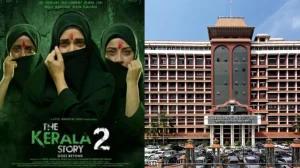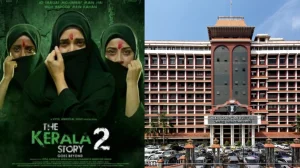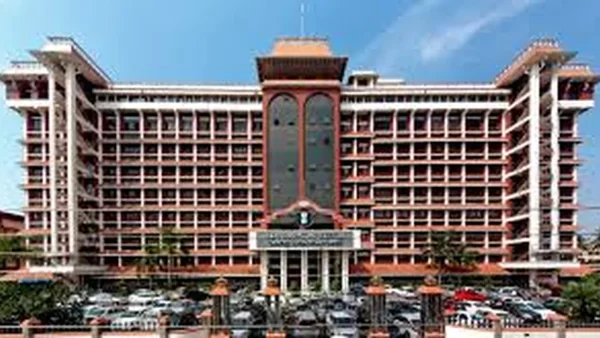
After a single judge had stopped the film from coming out, the studio appealed to a panel of judges in the Kerala High Court, and the panel has now saved its decision. The first hold came after people went to court, saying the film’s certificate from the censor board was wrong, and that the preview and trailer wrongly showed what Kerala was like.
What the first hold was based on
The single judge ordered a 15-day hold, because it seemed the Central Board of Film Certification hadn’t really thought things through when it gave the film a certificate. The panel was worried that the film’s advertising could give people the wrong idea, and maybe upset peace between groups, if it came out without being looked at more carefully.
The judge also said the film might run down a group of people, and that a more careful look was legally needed before it came out to a lot of people. People who went to court said tickets were already being sold even with the hold, meaning the film might be shown while the court case was still going on.
What the filmmakers said in their appeal
The filmmakers appealed the hold, saying the certificate from the censor board had come after a review by a group of experts, including people who worked for social causes in Kerala. They said filmmakers must be free to choose what the story is and what religion is in it, and that the film was about a bad thing in society that affected a lot of states.
The studio’s lawyers stressed how much money was at risk, saying the film was to open in 1,500 theaters in India and more than 100 theaters overseas. They said the request for a hold came very late, and that the title – Kerala Story – was the same as the first film, and didn’t mean to make Kerala look bad.
What the people who went to court were worried about, and what they said about the state’s name
One person who went to court, a resident of Kannur, said the film would hurt his right to a good name, and might cause people from Kerala to be treated unfairly. He said the way Kerala and its people were shown would do lasting harm to the state’s name and place in society outside the area.
The people who went to court also said a number the film had used about how many women in Kerala had been turned to extremism was false. They asked the court to stop harm from happening, and said they would check on reports of showings, and might go to court for contempt of court if the hold was broken.
What the court asked, and problems with how things were being done
At the hearing before the panel, the court asked how it could rule on the appeal without seeing the film, since the preview and trailer were part of what people were complaining about. The single judge had wanted to see the film, but the filmmakers were said to have not promised to let the court see the whole thing.
The panel also wanted to know if the court cases should be treated as normal requests to the court, or as cases of public interest. After hearing a lot of arguments from everyone involved, the panel saved its ruling, and did not change the single judge’s hold by saying the film could come out.
What this means for certificates, and freedom to make art
The argument shows the constant push and pull between the right of artists to make what they choose, and the need to keep the peace, with courts weighing how the censor board does its work, and what the film might do to groups in the area. Filmmakers can lose a lot of money when big releases are held up by court cases.
The ruling the panel has saved will decide if the release can go ahead, or if more careful looking at the film is needed. For now, the case shows how certificates, the state’s job to keep law and order, and the court's power to make sure things are done right all come together when a film’s content causes worries across a state.