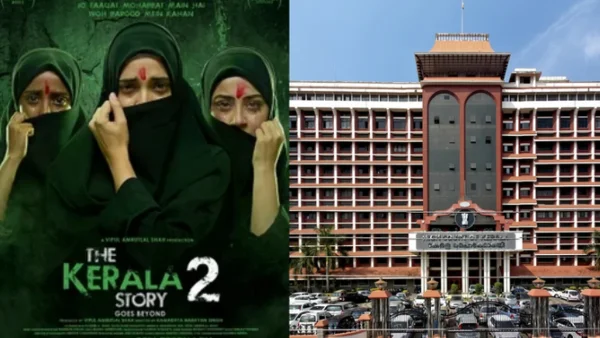
A panel of judges from the Kerala High Court removed the temporary block which had stopped the film from coming out for a short time. Previously, one judge had ordered the halt and asked the Central Board to look at the certificate allowing the film to be shown. The film was meant to come out on February 27th and is now playing in cinemas.
The panel reversed the single judge’s order after the producer appealed, making it possible for screenings to go on. This quick result in court is good for the companies showing the film and the people wanting to see it – and for those who made the film and want to get past the argument and onto how well it does at the box office.
Producer Vipul Shah on the decision
Vipul Amrutlal Shah responded calmly, thanking the High Court and saying that removing the block showed the film was right. He said the court’s action showed the film was not against Kerala or its people, and presented the ruling as proof of the film’s truth and purpose.
What the film represents and what it is meant to do
Shah also used the opportunity to tell people watching and critics that the film’s aim was to reveal criminal actions, and not to attack a state or a culture. He made the comments at a press meeting and wanted to get people talking about the film itself, instead of other things.
Shah stressed that The Kerala Story 2 Goes Beyond is about criminals working in several states, and not about the people of Kerala. He named other states, saying that parts of the criminal activity came from different areas, and that’s why the film had a wider title.
The producer said that seeing the film would make its message and tone clear to people. He said the intention was to show troubling problems in order to start talk and correction, and not to make bad statements about any group.
What the court’s result means for people watching and how well the film does
The court’s ruling lowers legal doubt and lets cinemas and distributors go on with planning and advertising. This stability can help the film reach more people and allow viewers to judge the movie on what’s in it, and not on news about legal problems.
What the public thinks will shape how the film does in the days after it comes out. Court decisions do not end arguments, but removing a block can help move attention back to reviews, what people say to each other, and box office numbers.
Wider results for filmmakers and certificate processes
This event shows how creative work, certificates and court review keep coming together. Filmmakers often face legal examination when what they make touches on delicate topics, and certificate problems can delay or limit showing a film.
The Kerala Story 2 case shows how courts can affect whether a film reaches people and how legal results become part of what the public thinks. It also reminds producers and those who give certificates of the need to make intent and background clear when a film deals with difficult subjects.
The legal help gives those who made the film time to focus on how people react and advertising. For the time being, Vipul Shah has said the court’s decision shows the film is genuine, while people watching will in the end decide if the film is good as art and does well in business.