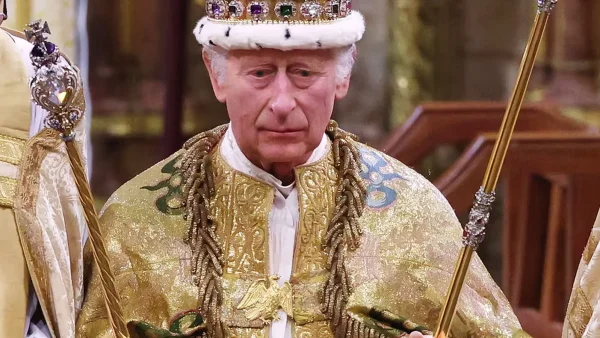
This Thursday, the King will open his books in what you could call a rare show of financial candour. Buckingham Palace has put the word out that this is part of an effort to modernise and, in doing so, perhaps change how the UK views its taxpayer-funded bodies.
The call is the King’s, the Palace makes clear. “We want to be able to lay out all sides of our finances for the sake of clarity,” a spokesperson said. “If you like, we are still in the process of evolving.”
Why this is being done now
You can’t put it down to chance. There has been a good deal of prying into the royals’ ledgers of late, not least after auditors pointed out that Andrew Mountbatten-Windsor was drawing private income from subletting while only putting a token rent on a royal home for years.
All of which makes for a need to be more open about where the money comes from, be it from the Sovereign Grant that pays for the palace and the King’s duties, or from his own pocket. The latter is mostly the domain of the Duchy of Lancaster, an old estate with a portfolio of land and assets to its name.
Last year, for instance, the Duchy put 26.8 million ($35.6 million) in the King’s hands. How he is taxed on top of that kind of figure is something people will be reading between the lines for.
What to expect and when
When the annual royal accounts come out on Thursday, the King’s tax details will be there too. In a way, he is breaking with a few hundred years of tradition; he will be the first to do so as a British sovereign.
He has been open about his taxes before, of course, but as Prince of Wales. To make a habit of it on the throne is to set a standard for the future.
How the law and the numbers work
Technically, the monarch doesn’t have to pay income, capital gains or inheritance tax. But since 1993 and the time of the Queen, the office has seen fit to do so anyway.
The Palace is keen to put this in its proper constitutional light. The goal, as they see it, is to be transparent while you are at it, with an eye to history.
A message to investors and the public
If you are keeping an eye on the state of governance in the UK, a few things will catch your attention: the head of state’s willingness to comply, the fact of an annual report, and a nod to the fact that we are held to account.
– A new benchmark is being set with the first public royal tax return
– You get a better look at the voluntary payments made since ’93
– Private earnings are put in the same room as the official ones
– It is a reaction to the kind of scrutiny the subletting story brought on
– And it is in line with what Charles has let on in the past
Some risk, some reward
There are still questions to be answered over certain private arrangements and the like. Being open about it can clear the air, but it also means you have to stand by what you say. That will be the measure of Thursday’s news.
It should give the taxpayer a bit more faith in the oversight of the Sovereign Grant. For the rest, it shows how a voluntary thing can become the norm once it is out in the open.
Where to look next
Watch the fine print. We’ll be seeing how the figures for the King are put in context with the Duchy of Lancaster and the rest of the royal books.
The Palace sees it as part of a reform. “It was the King’s wish,” the spokesperson said, “to make some changes since he came to the throne.” We will have to wait and see if what is put out on Thursday is enough to satisfy the demand for a straight answer.