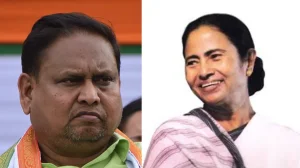
It’s a situation we’ve seen before with Mamata Banerjee and Suvendu Adhikari about to have a very important rematch. The TMC has said it will fight for 291 of the 294 seats in the state, and Mamata is going to face someone she used to mentor, Suvendu, in Bhabanipur in and 2026.
TMC announces candidates and seat strategy
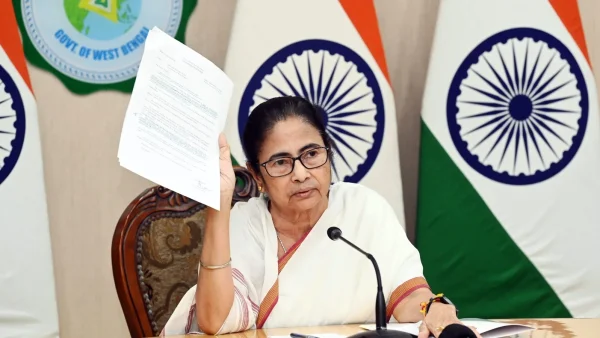
The TMC has announced who their candidates are and how they’ll approach the different areas. Mamata Banerjee revealed the list of people from her party who will run, saying the three seats in the Darjeeling hills will go to Anit Thapa’s Bharatiya Gorkha Prajatantrik Morcha, who are working with them. This shows the TMC is almost everywhere in West Bengal and is deliberately working with smaller, local political groups. At a press conference, Mamata said she’s sure her party will have a good amount of seats – more than 226. She also told people in the party who weren’t chosen to run that they’ll be given important jobs within the organization and help with the campaign, and afterwards.
Mamata vs Suvendu: a renewed personal rivalry
This election contest brings back the personal conflict that began in 2021 when Suvendu Adhikari beat Mamata in Nandigram by a very small number of votes. Suvendu, who is now the leader of the opposition, has been chosen by the BJP to run in both Nandigram and Bhabanipur, meaning he will directly compete with the current chief minister, Mamata. Mamata responded to Suvendu being selected by confidently saying she will win in Bhabanipur with the biggest vote total. This face-off will be a test of local support and could change how people see who’s in charge, how the government has performed, and how well the parties are organized at a community level.
Key candidates and constituency battles
The TMC’s list of candidates has some important names and some strategic changes. Pabitra Kar, who used to be a leader in the BJP for local councils and has now rejoined the TMC, will run in Nandigram against Suvendu. The TMC said on social media Kar left the BJP because of what they called policies that didn’t help people, and this shows the campaign will focus on being seen as trustworthy in the area. The BJP has also released a first list of their candidates, including the state president and former members of Parliament in important cities and rural areas. This suggests both parties are planning to fight hard for every vote in Kolkata, the southern districts, and areas where the TMC has traditionally done well.
Electoral calendar and administrative moves
The Election Commission has set the dates for the West Bengal election for April 23 and April 29, with the votes being counted on May 4. The dates to nominate candidates, check the nominations, and withdraw them are in late March and early April, which sets the timeline for the race to nominate candidates and get the campaign going. The Election Commission has also moved several top police officials before the election. These kinds of moves are usually to make sure the police act fairly during the campaign and on election day. People will be watching to see how these changes affect how things are run and how safe it is on voting day.
What to watch before polling day
Important areas to keep an eye on are Bhabanipur and Nandigram, because the personal conflict between the candidates could affect how many people vote and by how much. The Darjeeling hills are also likely to be watched, because of the alliance with the BGPM and issues of regional identity. In the last few weeks of the campaign, what the parties say on social media will form opinions and get people to vote. More than just the people running, the election will test how organized each party is and how people react to what each party says about the government. The TMC will try to turn their presence in nearly all areas into a solid majority, and the BJP will attempt to reduce the difference by focusing their efforts and money on areas where they have a good chance of winning and well-known candidates. The announcement of who is running has created a very active campaign environment. With these well-known rivals opposing each other and the election dates now set, the voters of West Bengal will decide if they want things to continue as they are, to change, or if local partnerships will decide who is in the next state assembly.