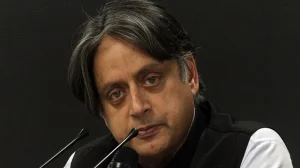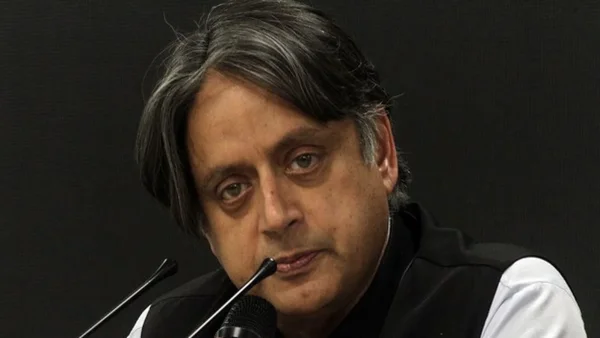
Tharoor, who is the MP for Thiruvananthapuram, has tried to stop people from thinking he will be the Congress party’s main person for Chief Minister before the 2026 Assembly election. He says he isn’t a candidate in the state elections and definitely isn’t running to be Chief Minister. He thinks the person who gets the job should be an MLA.
A Statewide Campaign and a Mixed-Bag Role
He was very clear: because he isn’t running in the election within Kerala, he isn’t going to be Chief Minister. After the election results, he adds, the Chief Minister should ideally be chosen from among the MLAs who were elected.
Tharoor does admit that elections are more and more about individuals, and he himself would prefer to have a likely Chief Minister named before the election. However, the Congress party normally runs its campaign based on what it will do and its logo. After the votes are counted and after talking to the elected MLAs, the leadership team usually chooses their leader.
By repeating this focus on the party, Tharoor is attempting to blend the way campaigns are done now with how Congress normally does things. He stresses that these two approaches can work together, and even though having a clear “face” for the campaign can be helpful when people are focusing on personalities, that’s the case.
UDF Sets an Ambitious Target and a Comeback Narrative
Because he won’t be tied down to just one area to campaign in, Tharoor intends to travel all over Kerala to spread the United Democratic Front’s message. He describes his role as having many parts: public meetings, specifically reaching out to different groups of people, and helping candidates in the places where the election will be closest.
He expects to go to all 14 districts, and is making young people, professionals, and groups with specific interests a priority, alongside the usual public events. He’s already spent a lot of time organizing the campaign, and he’s going to be travelling around up to and including the day of the vote to make sure lots of people go and vote.
This ability to move around is meant to strengthen the UDF’s work on the ground, help candidates get their arguments across more clearly, and respond to what people are worried about in each area. He thinks this is a good and quick way to deal with things in a short election period.
The CM Face Debate and Congress Strategy in Kerala
The UDF is aiming for a good result – between 85 and t100 seats in the 140 seat Assembly. Tharoor is confident they can get it, and used a cricket analogy to say the UDF is bowling “googlies” (difficult to hit balls), and the CPI(M)-led Left Democratic Front is in trouble.
He says people are ready for a change after ten years of the current government. He says the government hasn’t done well, the state is having money problems, and there have been scandals involving corruption, and that’s all making people unhappy. He believes voters will look at what each government has done instead of just voting for their usual party.
These ideas are the foundation of the UDF’s attempt to get back into power: a wide-ranging campaign based on problems and issues, that aims to turn people’s dissatisfaction into a strong vote for them. Tharoor believes the Congress party is organized enough and has enough support among voters to turn this building support into actual seats. The question of who Congress will put forward as their chief minister is a big one in Kerala politics, particularly because the current chief minister is well-known and leads the LDF. Tharoor admitted that not having one clear person to be the leader can be a disadvantage when an election feels like a race between individuals.
Compressed Timelines, Unity Signals, and the Road to 2026
However, he also said that Congress in Kerala would rather get people to vote for what they want to achieve, their plans and the party itself. The leaders of the party think this can still work because Congress has a lot of support in small areas like wards, villages, and neighborhoods.
Tharoor has a more complicated view. He thinks it’s a good idea to decide on a leader fairly early on, but he will accept the party’s usual way of choosing after the election. He says this way of doing things keeps the conversation on what the government will do, and makes sure everyone in the party mostly agrees.
Tharoor has complained about how quickly the election dates are announced, giving parties less than three weeks to get their message out. He believes this kind of timetable helps those already in power and gives voters less chance to be involved. This shows a continuous disagreement between making the election process fair in terms of how it’s run and giving political advantages.
What It Means for the 2026 Kerala Assembly Elections
Regarding disagreements within the party, Tharoor says any problems he’s had don’t matter to the election in the state and that he’s completely dedicated to working with the team as joint chair of the campaign committee. He pointed to recent instructions to UDF leaders to cooperate, and said the alliance is now working together.
He thinks working together will be as important as everyone saying the same thing. Because of the limited time and strong competition, clear communication, a detailed plan for working at the local level, and being known throughout the state will be as important as popular individuals.
Tharoor’s public statements make two things about Congress’s strategy clear. First, he’s going to campaign across the state and try to get people to vote, rather than try to become the chief minister himself. Second, Congress is really emphasizing the party as a whole, believing that its strong organization throughout the state can make up for not having a specific candidate for chief minister.
Voters will see a clear difference: the LDF will likely talk about continuing as things are with the current leader, while the UDF is offering change, being more open to criticism, and a group of leaders all following the same plans. If the election starts to feel more about individual leaders, there might be more pressure on Congress to name someone. For the moment, though, Congress seems happy to let their actions and policies do the talking.
The next step will show if the UDF’s predictions, including their hope for 85-100 seats, will hold up during a quick, state-wide campaign. If people are unhappy with the current government and the alliance stays united, the party’s careful approach might be successful. But if people are more interested in the personalities of the leaders, things could change.
In any case, Tharoor has made it very clear what his role is: he is not running for the job of chief minister and, he says, for good reasons. He wants to help the UDF do well again across Kerala and will let the elected representatives decide who should lead after the votes are counted.