Sources say the Election Commission of India will have a press conference at four o’clock this afternoon to tell us the election dates for these five areas which are going to the polls, and this will start the Model Code of Conduct.
Press conference format and key announcements
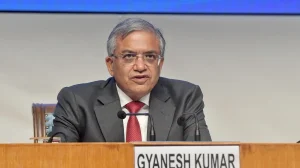
The meeting, to be led by Chief Election Commissioner Gyanesh Kumar, with Election Commissioners Dr Sukhbir Singh Sandhu and Dr Vivek Joshi, will set out the whole election timetable. People expect officials to state dates for when people can be told about the election, when people can put themselves forward as candidates, when people can take their names out of the running, the dates for voting, and when the votes will be counted.
The commission will also explain the arrangements for getting things to where they need to be, who the observers will be and what is being done to protect voters. Details should be on official sites almost straight away after the press conference to help parties, people in charge of things, and voters make plans.
Electoral calendar and phased voting expectations
The assemblies of West Bengal, Assam, Tamil Nadu, Kerala and Puducherry all end at different times, which will affect the timetable. The West Bengal assembly finishes on May 7, Assam on May 20, Tamil Nadu on May 10 and Kerala on May 23. Puducherry will also follow the announced schedule.
Voting is likely to be quicker than it was in 2021. West Bengal might vote in no more than three stages, but Assam may need a number of stages. Tamil Nadu, Kerala and Puducherry will probably all vote in one stage, making the whole process shorter.
Security arrangements and CAPF deployment
The commission has said it intends to have a large increase in the number of central armed police forces (CAPF) so that the voting can be done in shorter periods. It is said that the number of CAPF units might be bigger than in recent major operations, and around 500 are already in West Bengal in advance.
A change in how things are done will give control of the movement of CAPF to police observers chosen by the ECI for each area. This puts control of operations in one place and aims to make things more fair, with special observers and CAPF officers in charge of making things random and checking what is going on.
Electoral rolls, appeals and judicial oversight
The final list of voters for West Bengal, which was published on February 28, has over 64 million voters on it, and this started a period for appeals which is the same as today’s announcement. The period for appeals for Assam, Tamil Nadu, Kerala and Puducherry has already ended.
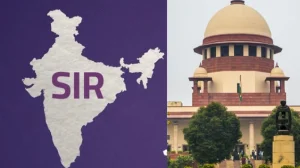
The commission will go on to deal with around 6 million cases of voters in West Bengal who are ‘questionable’, and which are being dealt with by judges named by the Calcutta High Court. Cases which are allowed will be added to extra lists, and more appeals can be made to courts.
Political landscape and campaign implications
West Bengal will remain the main area of attention, with the person currently in charge trying for a fourth term in a row and parties who are not in charge putting up strong opposition. The Special Intensive Revision process and recent legal problems have made political attention in the state even higher.
In Tamil Nadu, the competition is between the party currently in power and a group of parties including a national party which is allied with it, and new people coming in are also changing what is happening. Kerala’s usual tendency to change which party is in power and Assam’s important place in the region will both get a lot of effort in the campaigns.
What voters and stakeholders should expect next
When the election is told about, the times for putting yourself forward as a candidate and taking your name out of the running will be strict, and the Model Code of Conduct will stop official announcements and big state projects. People in charge of elections are planning to publish who the returning officers are and details of the voting so that things are open.
Voters should check that their names are on the lists and make a note of the official timetable when it is given out. The commission stresses the protection of voters and good organization and will give live updates and official help on its sites and help lines after the press conference.