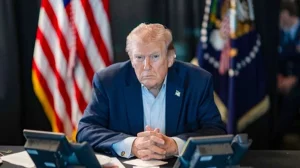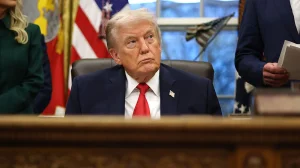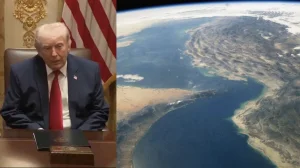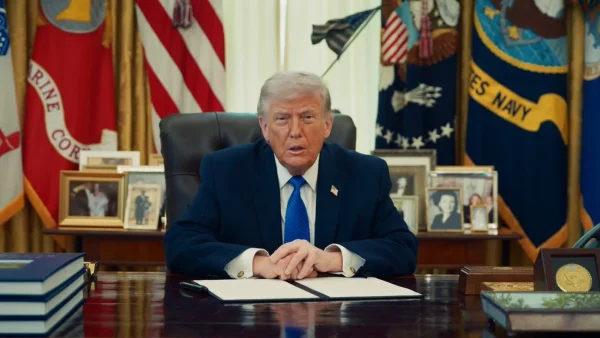
Trump said on Tuesday that NATO refusing to join the US in trying to get oil flowing through the Strait of Hormuz is a “foolish mistake”, and he now believes the US doesn’t need help from its allies with Iran. He spoke from the Oval Office, and explained that although NATO countries generally agree Iran is a threat, they don’t want to be involved in actually doing anything about it.
On his social media, Trump described NATO as a “one-way street.” He says the U.S. spends “hundreds of billions of dollars” protecting allies, and now they won’t help the U.S. when it needs them. He also stated that their refusal to help could change the future of NATO. Trump also boasted about how much better the U.S. and Israel’s military is doing, saying Iran’s navy, air force and defenses have been badly damaged. He believes this means they don’t need NATO’s help. This all came after several allies told the U.S. they don’t want to be in a fight.
Trump Escalates Criticism and Signals Go-It-Alone Approach
Trump is also saying the United States doesn’t need or want help from countries like Japan, Australia and South Korea. He’s using this situation to show that the U.S. military can respond quickly and effectively without a large group of countries working together.
No one has been able to confirm Trump’s claims about how much damage the U.S. and Israel have done to Iran’s military. Many of the countries that are part of NATO are still saying to be careful, because things could easily get much worse in the region, and each country has its own legal rules about sending troops somewhere.
Why NATO Is Holding Back
Most European governments don’t like Iran’s attacks and want to put political pressure on them, but they are hesitant to directly get into a military fight in the Gulf. They mention legal problems, needing approval from their parliaments, whether their forces are ready, and being worried about being pulled into a much bigger war as reasons.
NATO as an organization has also been unwilling to get involved in anything that isn’t specifically covered by their agreement to defend each other. NATO officials have said member countries can help with Gulf security on their own, but NATO itself isn’t taking a side in the conflict in the Middle East.
Article 5 and Limits on Out-of-Area Operations
Article 5 of the NATO treaty says all members will defend each other if one is attacked. However, the current situation with Iran and the important waterways in the Gulf doesn’t fall under that. That means each country has to decide on its own, based on its own laws, whether to send forces.
Stakes in the Strait of Hormuz and Regional Escalation
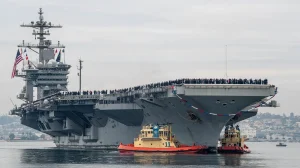
The Strait of Hormuz is a very important route for oil tankers and has essentially been closed because Iran has been attacking in response to airstrikes by the U.S. and Israel on February 28th. Iran has been attacking ships in the Gulf and launching many missile and drone attacks.
The fighting, now in its third week, has spread to multiple places. Israel is fighting with Hezbollah along the border with Lebanon, and there have been attacks inside Iran and in parts of the Gulf. There’s a high chance of an accident at sea, which is increasing the pressure on ships.
Several countries (Japan, Australia, Poland, Spain, Greece and Sweden) have said they won’t be sending forces to open the Strait of Hormuz. They are worried about the situation getting worse, aren’t sure exactly what the mission would be, and there isn’t a strong international agreement to support military action.
Allied Responses and Diplomatic Pathways
European allies are concentrating on using diplomacy, providing humanitarian aid and watching the seas (but not fighting). Some are looking at increasing sanctions and working with other countries to protect shipping, and they are pushing for things to calm down to prevent a wider war.
Oil Prices and Global Economic Risks
The price of oil has gone up around 40-50% since the crisis began, because of the disruption to getting oil through Hormuz and the general uncertainty. This is increasing the cost of the oil itself and the insurance for ships, which is being felt in higher prices for things in general, energy bills, and the cost of transporting goods.
Countries in Europe and Asia that import a lot of oil will have higher costs for their businesses, which could slow down their economic growth. Banks that control the money supply may have to decide whether to worry more about rising prices or a slowing economy, and companies are trying to protect themselves from fuel cost increases and find different routes for their goods. If the problem goes on for a long time, there may not be enough oil in storage and the risk of a recession will go up.
The next few weeks will show how well NATO works together and how they deal with this crisis. Some options are for countries willing to do so to provide protection for ships going in groups, for the United Nations Security Council to start talks again, and for informal discussions with Iran to try to reduce the attacks on ships. The market, shipping companies and governments will be looking for any signs that the situation in and around the Strait of Hormuz is calming down.