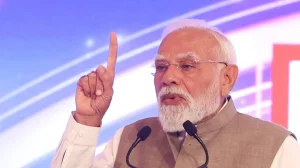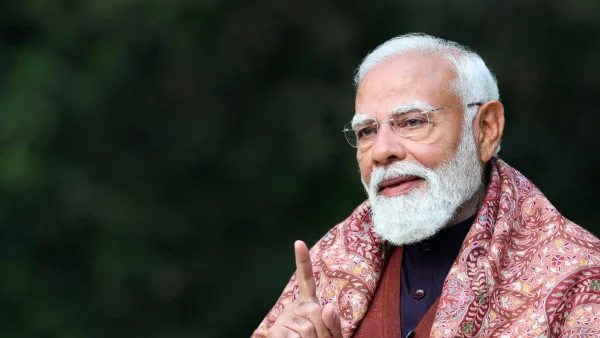
On June 8, 2026, as he marks a dozen years in the job, Prime Minister Narendra Modi has made it clear that the hallmark of his administration is a governance style with the welfare of the underprivileged at its heart. He makes the case that by combining top-tier missions with tech-driven execution, the way the state engages with its people has been overhauled, and he is laying the groundwork for what comes next.
A way of governing that gets to the last mile
For Modi, the digital infrastructure has been a game-changer in moving benefits from one end of the system to the other. He points to the Direct Benefit Transfer and similar tools as a means of getting aid to where it is due with little in the way of middlemen. In his view, you have less leakage, better efficiency and a stronger bond of trust with the public.
It all rests on financial inclusion. The logic is to take Jan Dhan and DBT and put them together so the state can put entitlements in a verified account with as little hassle as possible and keep the books in order. Put simply: digitise the identity and the transaction, and you can expand welfare without any loss of transparency.
Dignity first, from the home to the street
But it is not just about the money. Modi has been vocal about the kind of services that give people their self-respect back. You have Swachh Bharat for sanitation, or the PM Awas Yojana to make sure housing is a route to some stability. Then there is the Jal Jeevan Mission, which he has put forward for the way it has put water within reach of households, with an eye on health and output.
He puts a name to this: ‘Antyodaya’, a moral duty to look after those who have been left out. His point is that the government has had a straightforward aim – to see to the dignity of and provide for the people who have not had a share in development until now.
These are the things he has zeroed in on with these schemes:
– Get to the neediest with as little red tape as possible
– Make sure basic services at home come with a sense of worth
– Rely on data and tech to even the score
– Make of welfare something that empowers
Putting a safety net in place for health and beyond
You can’t have a safety net without healthcare, and that is where Ayushman Bharat comes in. Modi sees it as no different from housing or water in terms of what it means for a family in a tough spot. It is about insulating them from the cost of being sick while the rest of the agenda works to raise the bar on living conditions.
He would call the sum of it all a drive for 'Garib Kalyan‘. For him, it is the technology that has made the difference in the lives of the poor, and the whole point is to turn what we give into something they can build on. It is part of the road to a ‘Viksit Bharat’.
When you look at the last few years, as Modi puts it, India has been through a lot of change with the poor and the downtrodden in the mix. He doesn’t see it as the work of any one scheme, but as a matter of how you choose to govern, be it with cash, services or the infrastructure of daily life.
Three oaths, 12 years down the line
The prime minister is well aware of the continuity he has had. He was first sworn in on May 26, 2014, started term two on May 30, 2019, and then again on June 9, 2024, following another win in the 2024 Parliamentary polls.
That is the story behind his insistence that the push for reform has not wavered. So when he reflects on 12 years in, the takeaway is that if you want to put some dignity and chance in the hands of the poorest, you have to put your money where your mouth is on last-mile delivery, with the digital side of things to back it up.
For the future, these are the pieces of the puzzle for a ‘Viksit Bharat’. When the help shows up and you can count on it, you have more faith in the system. And that is the kind of trust you need to move the country forward, economically and socially.