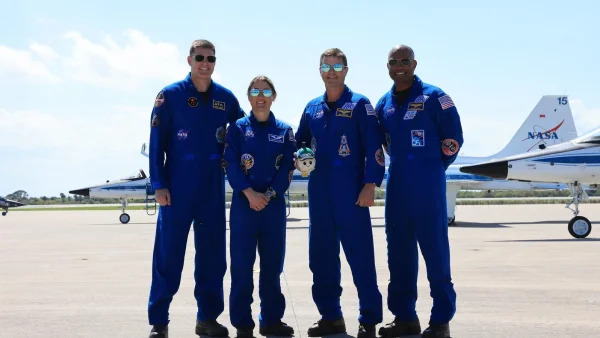
The astronauts landed at the Shuttle Landing Facility in the afternoon of March 27th after flying T-38 jets from Houston; this arrival is a clear change from training to the very last steps before launch. Reid Wiseman, who is in charge of the mission, said being there is “awesome,” and that the crew loves Kennedy Space Center, and they are now beginning their prelaunch work.
Final preparations and launch timing
Victor Glover will be the pilot, and Christina Koch and Jeremy Hansen are the mission specialists as part of this team of four. Because they’ve arrived at KSC, a very carefully planned schedule begins, with teams completing procedures, getting the equipment ready, and doing final practice runs. After these preparations, the final work before launch will turn into actually launching.
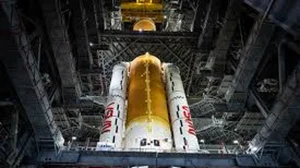
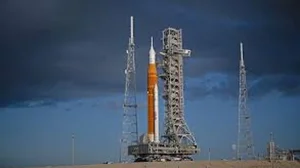
Since March s20th, the day the Space Launch System rocket and Orion spacecraft were moved to Launch Complex 39B, the astronauts have been kept separate from others. They’ll stay in isolation until launch, as is standard for all crewed spaceflights, to make sure they stay healthy.
Launch windows and how to watch
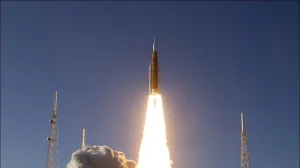
NASA intends to start putting fuel into the SLS rocket on the morning of the launch. They’re aiming for 6:24 p.m. EDT on April 1st, and the launch can happen anytime up to 8:24 p.m. There are further chances each day through April 6th, and one more opportunity on April 30th if necessary.
Depending on the weather and how well everything is working, the team could try to launch up to four times within those first six days. The conditions on Florida’s coast and the winds higher up in the atmosphere will still be important, even as the team finishes all their final inspections.
You can watch everything that happens live on NASA’s website, app and streaming services. When the two-hour launch window opens, you’ll get updates in real time about the fueling process, the tower being cleared, and everything that happens after the SLS rocket lifts off.
Who is flying Artemis 2
Reid Wiseman used to be the chief astronaut and will command the mission. Victor Glover, who was on Crew-1, will pilot Orion. Christina Koch has spent 328 days in space, which is the longest amount of time any woman has been in space, and Jeremy Hansen is an astronaut with the Canadian Space Agency; these three complete the team.
This mission will be a first in several ways. Koch will be the first woman to go near the Moon, Glover will be the first person of color, and Hansen the first non-American on a mission to the Moon. The team’s diverse backgrounds show how Artemis is meant to include everyone and involve many countries.
Mission profile and objectives
Artemis 2 will take around ten days. The crew will travel on NASA’s most powerful rocket, the Space Launch System, and in the Orion spacecraft on a path that will swing it around the Moon and then naturally bring it back to Earth.
This mission won’t actually land on the Moon, but it’s incredibly important. The astronauts will carefully test the life support, navigation, and communication systems while in deep space. It’s necessary to make sure these systems work with people on board before anyone tries to land on the Moon again.
This flight continues the work done by Artemis I, the unmanned test in 2022 that proved Orion’s heat shield, power, and engines worked in orbit around the Moon. Artemis 2 will add people to that system for the first time, and will include people making decisions in real time as things happen.
Challenges and risk posture
Getting to the launchpad hasn’t been without problems. Engineers had to fix a leak of liquid hydrogen during a practice run, and another issue with helium flow meant the rocket had to be rolled back to the Vehicle Assembly Building for repairs. The SLS and Orion have now gone back to 39B for the final checks.
Those in charge are quick to point out Artemis 2 is a test mission. As they put it, “We are not trying to get it right out of the gate,” and they say safety is the most important thing when deciding when to launch. If new issues happen, they will delay the launch to keep the crew and equipment safe.
What comes next in the Artemis program
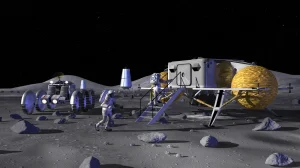
Artemis is a long-term plan to bring people back to the Moon and get ready for trips to Mars. If Artemis 2 goes as expected, the next steps will be more complicated flights, testing the systems needed to land on the Moon, and eventually a crewed landing sometime later in this decade.
Right now, all attention is on April 1st. A successful countdown and liftoff would mean humans are returning to deep space for the first time in a long time, starting a new period of exploring the Moon and creating a lasting presence on and around it.