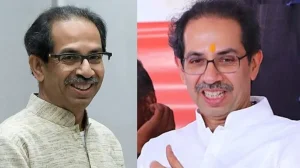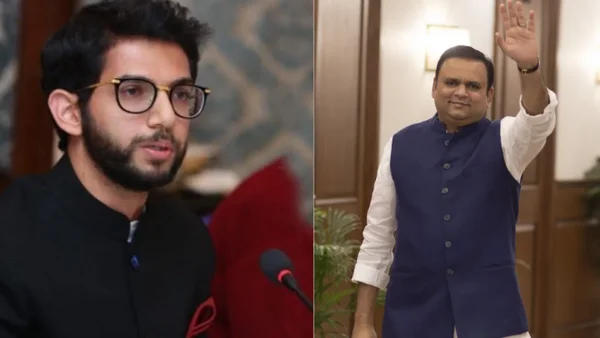
A charged exchange over the phrase ‘act of God’ turned Maharashtra politics stormy on Wednesday, as Speaker Rahul Narwekar and Shiv Sena (UBT) MLA Aaditya Thackeray clashed during a debate shadowed by relentless monsoon rains across Mumbai and other parts of the state.
At the heart of it was a basic question: who takes responsibility when extreme weather overwhelms the city? Narwekar invoked climate change as a force that cannot be controlled. Thackeray pushed back, linking the crisis to decisions on mangroves and forests.
Why the exchange matters
The confrontation spotlighted a growing fault line in Indian urban governance: how much of monsoon damage stems from global climate shifts, and how much from local planning and encroachment. Thackeray asked whether cutting mangroves would also be dismissed as an ‘act of God’.
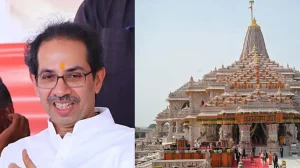
Tensions escalated when Thackeray raised alleged embezzlement of donations at the Ram temple in Ayodhya, widening the argument beyond rainfall management. Slogans from both sides followed, and the House was adjourned for five minutes.
What sparked the confrontation
Opposition members pressed to prioritise a discussion on the rain situation, calling it the most urgent matter before the Assembly. Narwekar ruled that a short-duration discussion would be taken up on Thursday, which triggered fresh protests across the benches.
During the exchange, Narwekar referenced climate change to explain the monsoon fury and said it could not be controlled, a framing the Opposition rejected. Thackeray asked if the House would debate mangrove and forest loss and whether the damage would still be termed an ‘act of God’.
Narwekar countered by asking if Thackeray could control the ‘act of God’, deepening the standoff. The session briefly dissolved into sloganeering and counter-sloganeering before the adjournment.
Political flashpoint widens
Thackeray’s reference to alleged irregularities in Ayodhya temple donations jolted the conversation from infrastructure to political accountability. While unrelated to flood defences, it reflected a strategy to challenge the treasury benches on credibility as well as policy.
The Speaker’s stance, meanwhile, signalled a focus on climate attribution. That view may shape Thursday’s discussion, even as the Opposition demands scrutiny of land-use choices and coastal ecosystem protections.
Monsoon impact across Maharashtra
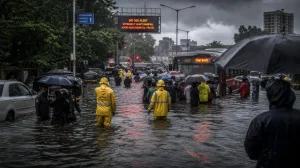
Away from the Assembly floor, the state is counting costs. Heavy rains over the last few days in Mumbai and other regions led to several tree fall incidents, fatalities, waterlogging, and disruption of road, rail and air traffic.
The breadth of disruption has sharpened demands for immediate relief measures and long-term resilience. For many citizens, the urgent question is not attribution, but action: how quickly can services be restored and future flooding risks reduced.
What the House plans next
Narwekar has scheduled a short-duration discussion for Thursday, a move intended to organise a focused debate. The Opposition insists delays send the wrong signal when lives and livelihoods are at stake.
Here are the key developments to watch as the issue returns to the floor:
– Short-duration discussion scheduled for Thursday.
– Clarity on immediate relief and infrastructure gaps.
– Possible debate on mangroves and forests.
– Political fallout from Ayodhya donation claim.
The episode underscores a tension now familiar in climate-era politics: balancing uncontrollable weather with controllable planning choices. Thursday’s debate will test whether the Assembly moves beyond rhetoric to specifics on drainage, green cover, and urban design.
For residents still navigating waterlogged streets and delayed trains, the stakes are practical. Accountability is not abstract; it is measured in safer commutes, protected ecosystems, and a city that can withstand the next cloudburst without collapsing into crisis.