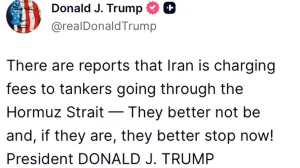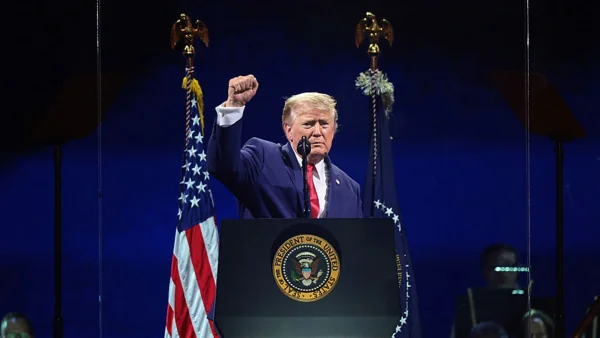
Global oil markets and shipping lanes reeled on Wednesday after US President Donald Trump declared the Iran ceasefire and MoU ‘over’, accusing Tehran of bad-faith actions and unleashing a blistering attack on its leadership. The move raises immediate risks for the Strait of Hormuz and hardens Washington’s stance after weeks of escalation.
Market and shipping shock
Energy traders moved fast as reports indicated oil prices jumped 5% following Trump’s remarks and renewed violence in the Gulf. The Strait of Hormuz, a vital chokepoint for nearly one-fifth of global oil and gas trade, faces fresh disruption as tensions spike.
Any prolonged interruption at this corridor could amplify costs for shippers, insurers and import-dependent economies. The immediate concern is whether military tit-for-tat will spread to maritime assets and convoys, tightening supplies and raising freight rates.
What triggered the rupture
Trump’s announcement came after a new round of strikes and counterstrikes across the region. Iran’s Islamic Revolutionary Guard Corps said it had launched attacks on US military targets in Bahrain and Kuwait, describing them as retaliation for recent American strikes on Iranian territory.
US officials have separately accused Iran of orchestrating attacks on commercial vessels. Three ships were hit while transiting the Strait of Hormuz, deepening the crisis and shattering hopes that the ceasefire arrangement could be revived anytime soon.
Trump’s language turns harsher
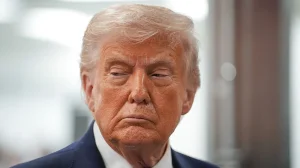
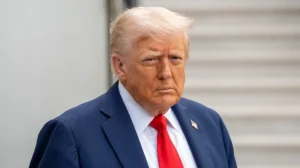
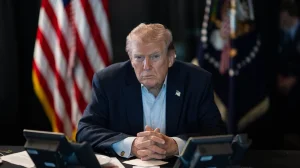
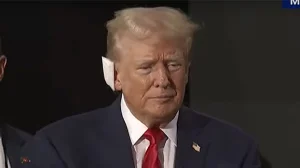
Speaking during the NATO summit in Turkey, Trump alleged Tehran violated commitments and insisted he no longer wished to engage with Iranian leaders. He labelled them ‘liars’, ‘cheats’ and ‘sick people’, and described ongoing talks as ‘a waste of time’.
He also maintained that Iranian negotiators had agreed not to pursue nuclear weapons and later denied it publicly. In a separate remark amplified by supporters, he called them ‘cuckoo’ and ‘dirty players’, asserting there was ‘something wrong with them’.
Trump further alleged that Iran had killed ‘54,000 people protesting in Iran’. He compared the leadership to a disease, saying, ‘We have to rid their cancer’ and argued that ‘you have got to cut out cancer early’.
Nuclear file and US response
The US objective, Trump said, remains preventing Iran from developing nuclear capabilities. He vowed forceful answers to any attack, asserting the United States ‘hit them very hard’ and had ‘attacked very powerfully last night’ against ‘very dangerous people from Iran’.
Underscoring a hardline trajectory, he added: ‘Every time you hit, we hit’ and linked future actions to the 'denuclearisation of Iran‘, declaring, ‘We are going to denuke it.’ His comments signal a closing window for de-escalation.
Rising stakes for stakeholders
For oil producers and buyers, price volatility is now tied to military moves rather than supply-demand math. Shipowners and charterers face heightened insurance costs, while regional states hosting US assets brace for further spillover.
Investors are watching whether maritime traffic can be safeguarded and whether either side sets conditions for talks. For now, both the rhetoric and the strikes point in the opposite direction.
Here are the key developments shaping the next few days:
– Trump said the ceasefire and MoU are ‘over’.
– IRGC announced strikes on US targets in Bahrain and Kuwait.
– Reports indicate oil prices jumped 5%.
– Three commercial ships were attacked in the Strait of Hormuz.
What comes next
Diplomatic space appears narrow after Trump’s denunciations and Iran’s claimed retaliation. Washington’s assertion that any further attack will be met in kind raises the risk of miscalculation at sea and on land.
With the ceasefire effectively shelved, the immediate test will be protecting commercial vessels and preventing the Hormuz flashpoint from dragging global trade into a deeper crisis.