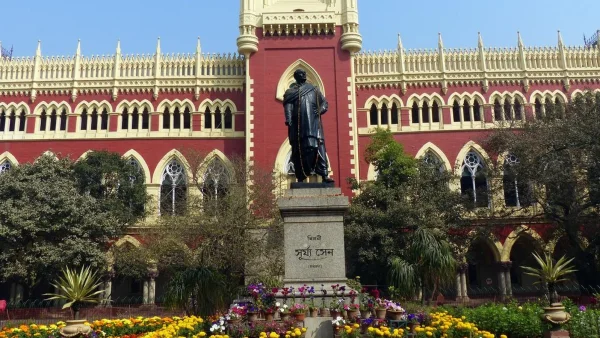
Tamil Nadu has escalated a high-stakes reservation dispute to the Supreme Court, challenging a Madras High Court ruling that bars converts to Islam from claiming Backward Class Muslim status. The State has filed a Special Leave Petition, seeking to restore a 2024 policy that extended BC (Muslim) benefits to eligible converts.
Why the verdict matters
At the heart of the appeal is a June 2026 judgment that struck down a 2024 government order. That order had permitted converts from Backward Classes, Most Backward Classes, Denotified Communities and Scheduled Castes to be treated as BC (Muslim) for reservation.
The High Court’s decision narrowed access to community certificates for converts, affecting admissions and government recruitment tied to BC (Muslim) quotas. The State’s challenge signals a broader policy fight over how conversion interfaces with social justice schemes.
What the High Court held
While invalidating the order, the court held that a Hindu who converts to Islam does not carry forward the benefits of their Hindu caste or sub-caste. It reasoned that a convert’s standing in Islam is not determined by the caste they belonged to before conversion.
The bench also cited theological principles, observing that classifying sects within Islam as backward or forward undercuts the religion’s egalitarian foundations. “Islam seeks to establish an egalitarian society. Everyone is equal in the eye of God.”
Here are the key judicial observations that sparked the appeal:
– Prior Hindu caste identity ends after conversion
– Convert’s status in Islam is not caste-linked
– “Categorising certain sects as Backward and the remaining as Forward is antithetical to Quranic injunctions.”
The case that set the stage
The proceedings began with a petition from a Thoothukudi resident who embraced Islam in 2015. A certificate from Sunnath Jamath, Kayathar, in 2015 confirmed his conversion and name change.
He later sought a community certificate identifying him as ‘Muslim Lebbai’. The Kayathar Tahsildar rejected the request, leading to a legal challenge filed in 2022. The State’s 2024 order emerged during this litigation and was ultimately struck down.
Appeal before the Supreme Court
The Secretary to the State of Tamil Nadu has filed the Special Leave Petition, contesting the High Court’s interpretation of religion and reservation policy. The appeal argues for recognition of converts from specified classes as BC (Muslim) without disrupting constitutional principles.
Respondents named include the original petitioner and local revenue officials involved in the certification process. They have already filed caveats before the apex court, ensuring they will be heard before any interim order.
Who is before the court
The State has arraigned the parties connected to the original dispute to ensure a complete adversarial hearing. This keeps the focus squarely on how community status is determined after conversion and who is entitled to certify it.
Parties named in the appeal include:
– Sameer Ahamed N., the original petitioner
– The District Collector
– The Revenue Divisional Officer
– The Tahsildar
What comes next
The Supreme Court's examination will shape how Tamil Nadu administers reservation for converts within existing constitutional and statutory frameworks. The outcome could recalibrate how community certificates are issued after conversion and how backward class status is evidenced.
Until the top court weighs in, the High Court’s order remains the operative position. The State’s appeal seeks clarity on a sensitive intersection of faith, identity, and affirmative action, with implications for policy and individuals alike.