Getting your first period can be confusing, but loads of girls go through this between nine and fifteen years old, and a bit of planning ahead can make a big difference. These are straightforward ideas about dealing with menstruation, to help you feel at ease at school, at home and out and about.
What is happening to your body
When you aren’t pregnant, menstruation is how your body gets rid of the lining of your uterus. This lining leaves as blood and tissue. Knowing this is perfectly natural and healthy can help you stop being scared and instead focus on taking care of yourself and feeling comfortable.
Often, your first period has a buildup. Breast growth, new hair on your body, discharge from your vagina, and your feelings changing are all part of that. Your body is preparing and this is totally normal as you move through puberty.
Build a kit you can trust
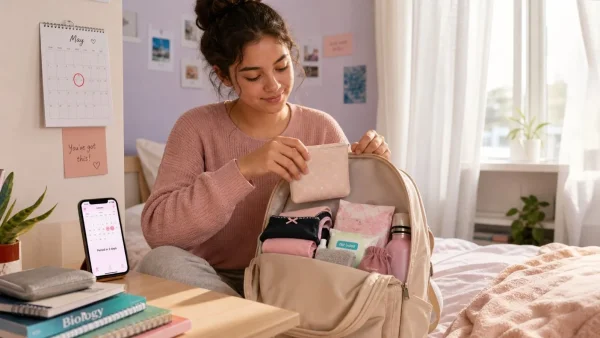
Having a small period kit at the ready avoids panic at the last minute. It means you’re prepared for class, for sports, for trips. Keep one in your schoolbag to be sure you’re covered if your period starts earlier than you thought.
Pack these essentials so you can manage anywhere:
– Pads or period panties for easy protection
– An extra pair of underwear
– Gentle wipes for quick clean-ups
– Disposable bags for used products
Period underwear is really good for beginners. They’re like normal underwear, are easy to use, and help prevent leaks. You can use them by themselves on days when your flow is light, or with a pad for when you want to be absolutely sure.
Choose and use products with care
There isn’t one single best product. Start with whatever feels most comfortable and easiest for you to use. A lot of people when they first get their periods like period underwear or pads. Once you get used to how heavy your period is and your usual routine, you can try tampons or menstrual cups. Choose the option that suits your day and what you feel good with.
Hygiene habits that matter
Staying clean is important for comfort and to avoid irritation. Wash your hands both before and after you change any period product. Wash the area around your vagina with water only, and don’t use soap there, because it can make your skin sore and change the natural balance.
Change things regularly. If you are using pads or tampons, swap them every four to six hours, or even more often if they are very full. That will cut down on smells, rashes and being uncomfortable, and keep you feeling fresher during school or whatever you’re doing.
Track cycles and handle cramps
Keeping track of your cycle can give you more confidence. Write the dates on a calendar, or use a period tracker app like Clue or Flo. After a while you will notice a pattern, which will help you get the things you need, and make plans for PE or special occasions without being caught out.
Certain changes in your body during your period are typical. You might get stomach pains (cramps), feel tired, or have your mood go up and down. Drinking plenty of water, eating good meals, and doing a little bit of gentle exercise like stretching can help your body manage and improve how you feel.
Warmth usually makes cramps feel better. A hot water bottle or a heat pad will help your muscles relax. If you need to, a roll-on for cramps or a pain patch can give you extra relief, allowing you to concentrate on your day instead of the pain.
When cramps get in the way, try these quick comforts:
– Place a heating pad on your lower abdomen
– Do gentle stretching for 10 minutes
– Take a warm bath to relax muscles
Your period doesn’t have to ruin your day. If you have the right product, a kit to hand and a simple plan, you can keep doing everything you normally do and feel good about yourself. Periods are a natural thing and with a few sensible habits, you’ll be in charge each month.