Not long after things got heated over in the Gulf, Donald Trump made it clear: we’re talking about hitting Iran’s power plants and bridges. It’s a hard pivot to making critical infrastructure a target. And with some talks on the table running out of steam, it only adds to the danger for people on the ground and a truce that has been holding up since April, but is now looking a bit wobbly.
What you need to know behind the new warnings
It all started with an Apache. A US chopper was brought down in the vicinity of the Strait of Hormuz. The Pentagon says an Iranian drone did it while they were on patrol. Fortunately, the two men on board were pulled to safety.
Trump called it a first-of-its-kind rescue, one where the pilots were hauled in by an unmanned sea drone – something he said had never been done before in the military. As for what came after, Washington is calling them ‘self-defence’ for the hit on their assets.
In a four-hour window, the US military says it put its mark on some 20 or so of Iran’s positions, from air defences to command posts. The IRGC put the list at places like Qeshm Island and around Sirik and Bandar Abbas.
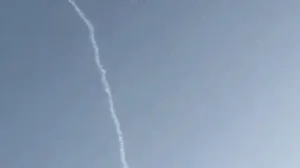
Tehran didn’t let it go. They sent in some missiles and drones at American sites in Bahrain, Kuwait and Jordan. You could see the air defences in the area light up. Jordan said they put a stop to a few heading for al-Azraq; Bahrain and Kuwait said the same for any that made for them.
Where Trump stands on the negotiating table
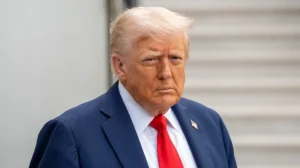
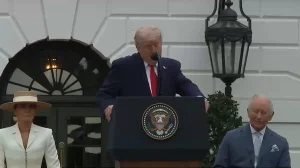
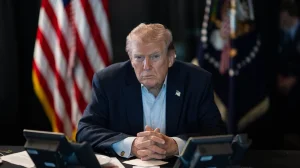
On Wednesday he was on Fox News and let on he was on the cusp of authorising more strikes on the kind of places I mentioned. ‘I may keep going,’ he put it. ‘They had a chance to sign a deal and survive.’
Then he put it in writing on Truth Social. ‘They’ve taken too long to make a deal… now they will have to pay the price!!!’ he wrote. And to cap it off: ‘The Bully of the Middle East is DEAD!!!’
The fallout for the ceasefire and diplomacy
You could say the calm of the last few weeks is over. This is as close to a head-on collision as we’ve had since the April armistice. It’s a far cry from just a few days ago when Trump was saying we were in the ‘final throes’ of a deal and a resolution was only a matter of days away.
Iran is having second thoughts. Esmaeil Baghaei of the Foreign Ministry put it this way: you can’t do business without some stability. After being crossed on the ceasefire time and again, they are re-evaluating how they want to be in the room with Washington.
Still, there are quiet lines of communication. We’re told some from Qatar have been in Tehran to talk to our side, in an effort to see if they can put a floor under these negotiations before they fall apart completely.
Why the focus on what civilians rely on
You don’t usually see public works and the like as the first thing to go. But when you start hitting the grid and the roads, you’re looking at ripples that go well past the battlefield. It means less power, harder to get through, and a wider net for the conflict to cast over ordinary life and trade.
Here is how the officials see the lay of the land:
– You have to factor in damage to the power and the ways in and out
– The margin for error in the region gets thinner
– More onus on the bases and defences in the Gulf
– New questions for the talks
What to look for in the coming days
Keep an eye on whether the US makes a play for the infrastructure, how Iran decides to answer, and how much of the region’s air space is being policed. The big test for the mediators will be if they can slow the clock on the military side enough to see if there is any life left in that ‘final throes’ of a deal.