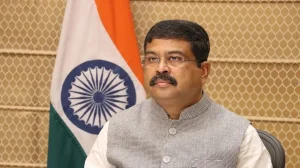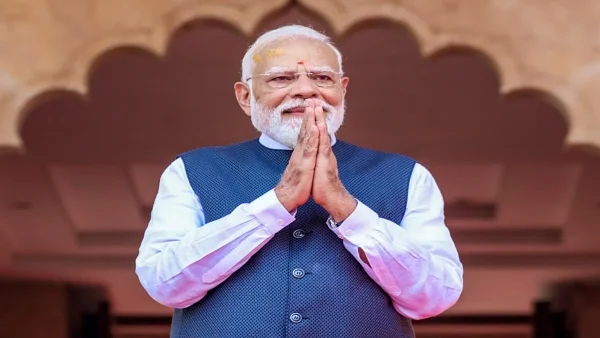
Then came a last-minute switch in VIP plans that gave re-exam takers some room to breathe on Sunday. According to officials, Narendra Modi made do with a wait at Delhi Airport so his entourage wouldn’t be in the way of students making their 2 pm appointments. He didn’t make a move until the tests were under way.
Why the wait mattered for students
You can count on a Delhi convoy to mean diversions, roadblocks and the like. When an exam is on the line, a few minutes here and there can add up to a lot of stress and missed deadlines.
So the Prime Minister held back, opening up a buffer for the heaviest travel times. In the words of those in charge, it was a no-nonsense way to have the roads open when they were needed most.
What they were after on the ground:
– A clear path before the rush
– Some decongestion right up to 2 pm
– Less of a hassle in the final stretch to the centres
Once the 2 pm hour was in, Modi was on his way from the airport to his home.
Scale of the re-exam and institutional load
This is no ordinary drill. We are talking about 22.79 lakh-odd candidates in the running, from 5,440 venues in 551 Indian cities and 14 abroad.
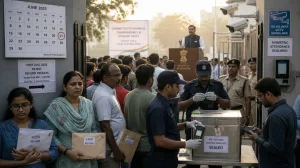
Some 22 lakh of them will be in these centres. You need your timing and your roads to be on point to handle the volume of people and the verifications.
For the people running the show, the hold-up on the convoy meant one less variable to worry about as they put through entry checks and sorted out rooms. It kept the bottlenecks at bay and let the supervisors get on with it.
Inside the security and integrity blueprint
The NTA has put more eyes on the operation to stave off any shenanigans. There are 1.38 lakh CCTV cameras and AI on top of 95,000-plus rooms to watch over.
They’ve been firm with the signal jammers too. ECIL and BEL have put out 51,000 of them to cut off any electronic edge. And don’t forget the metal detectors at the door.
Manpower has been put in where it’s needed. The NTA has 38,795 for frisking and 48,448 to run biometrics for facial ID. Add in 6,700 observers and a hundred or so virtual ones.
It’s a heavy presence. You’ll find 40 to 50 security staff at a centre, two invigilators in a room and a dozen or so in charge of the venue.
Getting the papers around is a mission in itself. You have the police, paramilitary, IAF and the Post Department all in on it. Even the custodian banks have to sign off on the material.
Candidate welfare and exam-day experience
But it’s not all hard edges. The authorities have put in place some amenities to even the playing field. You’ll have water, ORS, an ambulance if needed, and a spot for parents to sit in the shade.
In the room, there are extra rough sheets and a wall clock. They’ve even made allowances for left-handers so the desk setup is fair enough.
And because of the added screening, candidates have been given a bit of leeway with time. It’s to make sure no one is put at a disadvantage by the process.
What this signals for campuses and families
Holding up the convoy is a case in point of how things are being coordinated with the student in mind. It’s proof you can have your security and still let the examinees in on time.
Schools and parents can read between the lines: there will be the usual checks and balances, but also a better handle on the flow and some help on the ground.
If this kind of plan sticks, you could be looking at a more even-keeled morning, with less of a run to the gate and more of a walk in.