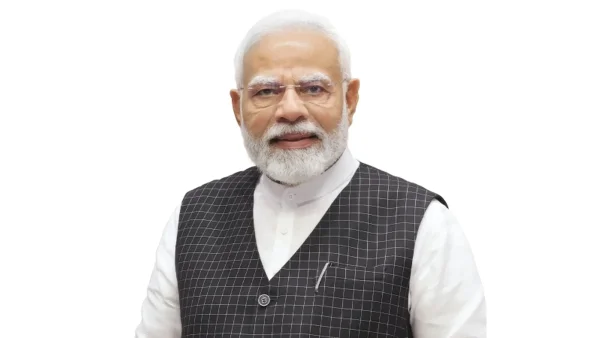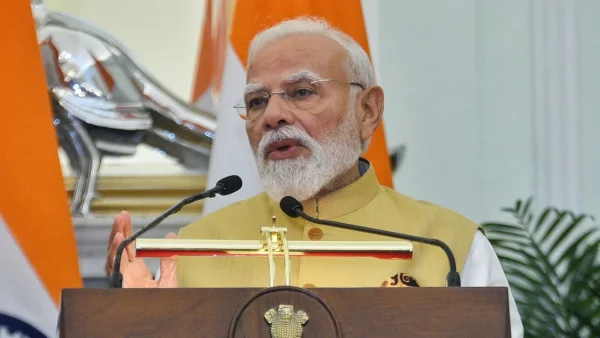
Modi said he was devastated by Balbir Punj’s death, and said Punj wrote a great deal, was a deep thinker and a public intellectual. Lots of people read Punj’s work, and he strongly believed in improving the country. Modi remembered how much Punj added to the media and public discussions, and he sent his sympathy to the family.
Prime Minister’s tribute and public message
In a message, Modi said Punj greatly enriched the world of media and the life of the mind. He pointed to Punj’s constant effort to get students, professionals and experts more involved in politics. Modi recalled times when Punj was in charge of the party in several states, including Gujarat.
Modi shared his condolences on X (formerly Twitter), and in doing so, showed how we now use social media to publicly mourn someone’s death. He ended his message with ‘Om Shanti’, a traditional expression of respect and sympathy. This short statement to the public was about both Modi’s own memories of Punj, and the loss felt by everyone.
Balbir Punj as writer and public intellectual
Balbir Punj became a well-known, senior journalist whose writing was widely read by people in politics and those with intellectual interests. His articles and columns clearly showed his strong desire for the country to improve and often looked at history and government policy. Because of this work, he became a voice that people recognized in public debates.
When Punj spoke in Parliament, people noticed how he based his statements on facts and on strong theories. People he worked with in Parliament and those who wrote about what he said often said his speeches were carefully organized and very carefully examined. His background in journalism and in being a member of Parliament allowed him to influence how we talked about policies and things that were in the public’s interest for many years.
Political role and work within the party
Punj was also very active in his political party, being in charge of the party in a number of states and working to connect with people. Party leaders remember him as someone who worked incredibly hard to make the party’s relationships with colleges and professionals stronger. He was trying to make the party’s group of thinkers wider.
He was a link between conservative viewpoints and getting the wider public to participate. He worked with student and professional groups to develop new members and to explain policy positions in a way that was easy to understand. This work with the organization of the party went along with his writing and parliamentary work.
Reactions from political leaders and colleagues
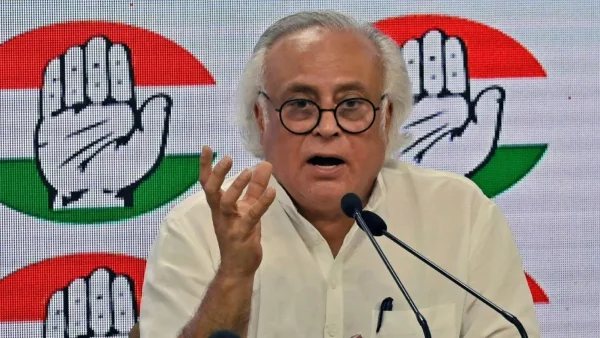
Many important political figures expressed sadness and talked about Punj’s impact on journalism and politics. A chief minister of a state said his death was incredibly sad and said that both fields would never be quite the same without him. Other leaders praised how well he spoke and how consistently he supported national pride and the public good.
People working for the party were also sad and said how enthusiastically he pushed for the party’s main beliefs and for public discussion. The messages of sympathy highlighted how Punj combined careful, intelligent thought with a commitment to organizing. These responses show how many people in politics, journalism and the world of education are affected by his death.
Legacy and implications for public discourse
Balbir Punj’s career is a good example of a public intellectual who moved between the media, Parliament and working for his party. His ability to turn ideas into public arguments affected discussions about how the country is run and what our national identity is. This influence will continue to affect how people writing commentary evaluate the relationship between journalism and politics.
His death makes us think about how valuable informed and factually supported discussion is in public life. As institutions and the people who use them change, the need for careful analysis and clear communication remains essential. Punj’s life reminds us how much of an effect one person can have in many different areas of public life.