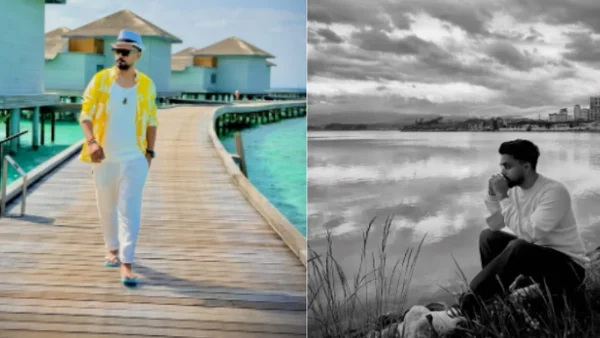
Rocky stated that it’s fine to be sad in private, but if you show it publicly, you have to expect people to judge what you do. His story read, ‘I don’t mind who you are sad about, as long as you do it in private. But if you go out and do it in public, what you do is open to public judgement!’
He also said he hadn’t seen the same amount of public sadness for Indian soldiers, people hurt in attacks, or important people from India. Rocky went on, ‘You turn your back on those who defend you, and feel sorry for foreigners who have always been against your nation. Loyalty is all. Loyalty makes everything clear.’
The post quickly went all over social media, and got different kinds of answers. A number of users praised Rocky for pointing out what they thought were double standards, and saw his message as a defence of being loyal to your country, and of using common sense.
Other people thought the way he spoke was too strong and didn’t take into account the feelings of people who were showing personal sadness. People who disagreed said that private feelings can be real, and that public people might be speaking from what they believe in, not what they think is politically correct.
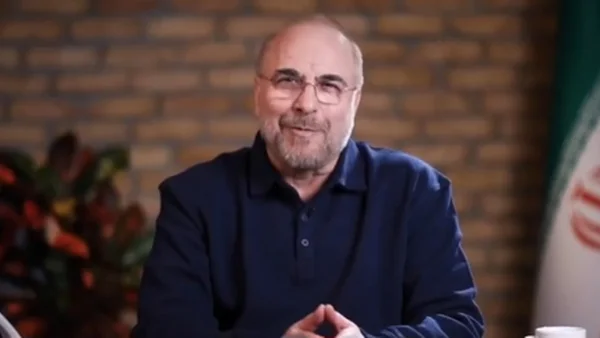
The debate got more intense after a well-known TV person publicly said the Supreme Leader would not be forgotten, and prayed that he would become a martyr. Rocky’s post seemed to be answering that public statement, though he did not mention anyone by name.
Those who supported the TV personality who was sad asked that people respect a person’s faith and feelings. But Rocky’s supporters said it was a duty to ask about what public shows of feeling mean, and what it means to be sad about leaders of other countries who may have been against the interests of your own country.
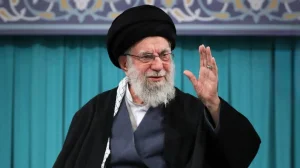
The Supreme Leader of Iran, Ayatollah Ali Khamenei, was reported to have died on February 28, 2026, after attacks that the United States and Israel were said to be responsible for. The news caused all sorts of reactions around the world, including both sadness and celebrations in different places.
In several Indian cities – Lucknow, Hyderabad, and Bengaluru – videos showed people publicly mourning. At the same time, reports from parts of Iran said people were celebrating. These opposite scenes helped to increase the online argument about whether public mourning was appropriate.
The argument touches on bigger questions of loyalty, who we are, and what the limits of being able to say what you think are. If public people say nice things about leaders of other countries who are controversial, people might think that is a political position, not a personal feeling.
Social media makes these problems worse by turning private sadness into a public discussion. In that kind of situation, statements that are meant to honour someone can become the reason for a national argument, and famous people often get looked at more closely.
Rocky Jaiswal is a producer and businessman in the world of media and digital things. He became more well-known to the public after appearing on a reality television show where he helped his partner, the actress Hina Khan. The two later got married, and have often been in the news.
Hina Khan is a TV actress whose career and public life mean that her friends and family often get attention. Rocky has a reputation for saying what he thinks, which has made his social media posts both important and caused arguments.
Rocky Jaiswal’s comments, and the reactions to them, show how celebrities shape what we talk about in politics, loyalty and public feelings. The debate shows the continuing tension between private feeling and what people in public should be responsible for, in the age of social media.