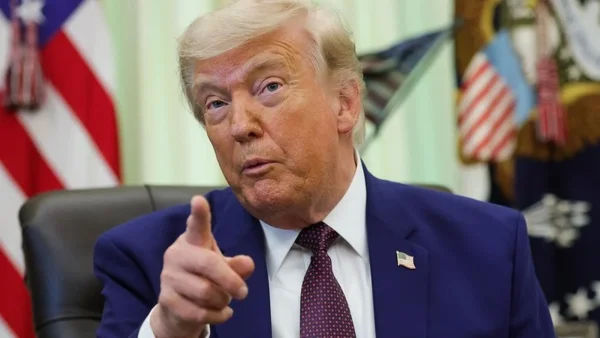
You could call it a diplomatic misfire. Trump’s move to put his name on a Memorandum of Understanding with Iran at the Palace of Versailles has set off a firestorm of derision. It’s all about the optics: the $300 billion fund on the table over 60 days, and how it looks like he’s walking away from his ‘maximum pressure’ line.
The optics that set off the backlash
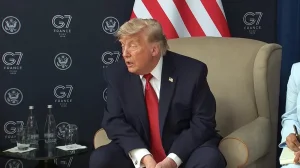
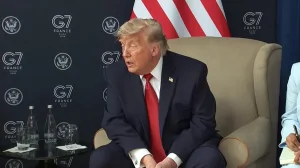
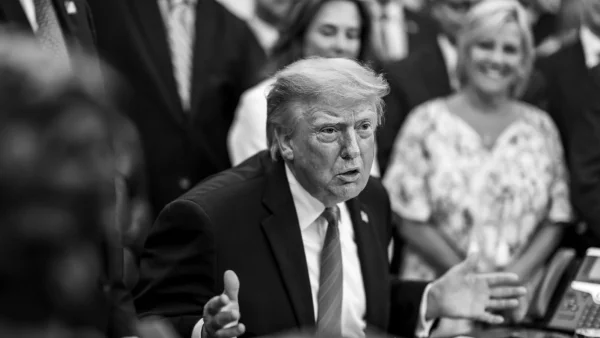
It wasn’t some staid summit room where this happened. Trump was at a G7 dinner put on by Emmanuel Macron when he made a point of signing the paper right then and there. He even put in a word with the press: ‘Versailles is not a gold leaf. Versailles is the real deal.’
That put a fine point on the story. To the naysayers, the whole affair was more pageant than policy, and the grandeur of the place only made the hard-line logic of the concessions stand out more.
If you ask the critics, there are four things that made the photo-op at Versailles so flammable:
– A turn from ‘maximum pressure’ to making do
– Some kind of ‘reverse reparations’ at a place of surrender
– A history at Versailles that is more of a cautionary tale than a peace offering
– And a hunch that Macron was up to something
Versailles symbolism, in reverse
This is a palace with a past. Back in 1919, they made a defeated Germany pay for its sins here. Hard to square that with a 2026 setup where the U.S. is putting up a $300 billion reconstruction pot for Iran and making some economic give-take for a ceasefire.
Some have called it ‘reverse reparations.’ There was a joke in Washington: when Trump was after an ‘unconditional surrender’ from Iran, it was clear to some he was the one giving in.
‘Maximum pressure’ gives way to a retreat
Trump has built his Iran policy on deterrence and pressure. But by going to a European stage to sign something that, in the eyes of his opponents, is just a rebranding of a pullback, he’s made a show of it. He’s turned a compromise into a victory lap, or so they say.
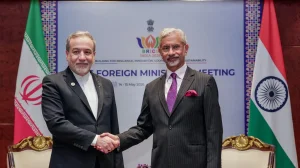
Tehran was quick to make hay of it. The foreign minister and state media have been touting it as a win for their side. With the pictures from Versailles to back it up, the chasm between the White House and its critics has only widened.
A venue with a way of backfiring
Scholars will tell you that Versailles doesn’t have a track record for lasting peace. You can draw a line from the treaty’s tough terms to the hyperinflation in Germany, and eventually to Hitler and the war that followed.
So when you put a 60-day ‘probationary’ arrangement in that context, it’s easy to see why some are having a laugh. It feels like a quick fix with a long tail to it.
Was this a quiet troll from Macron?
Since the French president was the one who had the dinner at Versailles, you can bet the internet has been speculating. They see the timing and the scene and think he was having a little fun at Trump’s expense.
The French side of the aisle won’t have it. They’ll say it’s simply where you put your guests. But for those looking to make a case against Trump, the image of him signing off at such a loaded spot was too good to pass up.
What you’re really looking at
On paper, it’s a first in a series of talks to put an end to the fighting and open a channel with Tehran. Supporters will have you believe it’s de-escalation in action. The rest of us are left with a sense of costly compromises being rushed through in a moment that is as much about the setting as the substance.