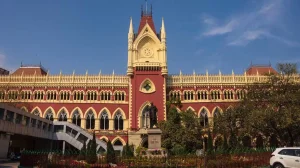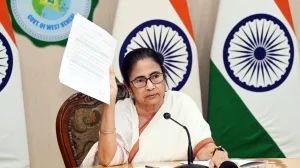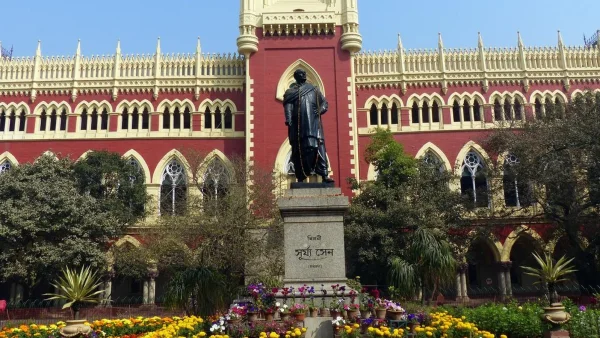
The Calcutta High Court has cleared Mamata Banerjee’s proposed protest rally on July 8th, setting up a closely watched show of political mobilisation in Kolkata amid public anger over the Baruipur rape and murder case. The order opens a narrow window for a street demonstration that opposition leaders say is essential.
Court order and what it enables
According to advocate and TMC MP Kalyan Banerjee, the court permitted a procession led by the Trinamool’s youth and student wings in Kolkata. He said the route will run from Ballygunge Phari to the Syama Prasad Mookerjee Road crossing.
Banerjee added that the court order specified the timing for the rally: between 2:30 to 4:30 pm. He described the ruling as an affirmation of the right to assemble, even as he signalled readiness to fight any broader curbs on weekday protests.
Here are the major developments so far:
– Court permits the rally on July 8th
– Route from Ballygunge Phari to S P Mookerjee Road crossing
– Timing set for 2:30 to 4:30 pm
– Youth and student wings to lead the march
– Kalyan Banerjee alleges 10,000 arrests in two months
– Mamata led a candlelight march on Monday
Political confrontation intensifies
Framing the rally as a test of civil liberties, Kalyan Banerjee said the state had told the court that protests in Kolkata should be confined to Saturday and Sunday. He argued that any such policy would be challenged, insisting constitutional rights cannot be suspended from Monday to Friday.
He also accused West Bengal Police of using arrests to deter Trinamool workers from mobilising. Asserting a pattern of intimidation, Banerjee claimed that within these two months, 10,000 TMC workers have been arrested, characterising police action as criminal activities.
The crime that sparked the mobilisation
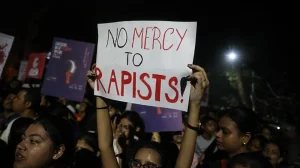
The political flashpoint follows the death of a 12-year-old girl who went missing on Saturday and was later found in a pond. Allegations of rape and murder have triggered widespread outrage and street protests in the area.
On Monday, Mamata Banerjee joined party workers and leaders in a candlelight march condemning the crime. TMC leaders alleged that state police had earlier confined her to her residence, preventing her from visiting the victim’s family.
Government response and demands for justice
Amid mounting anger, Chief Minister Suvendu Adhikari has called for capital punishment in the case. His statement underscores the political and administrative stakes around the investigation and the urgency of delivering justice.
Route, logistics, and rights debate
While the court has approved the procession between Ballygunge Phari and the Syama Prasad Mookerjee Road crossing, the dispute over protest timings has sharpened. Banerjee maintained that weekday restrictions would be unconstitutional, signalling a likely legal battle over any formal policy.
The court-sanctioned window of 2:30 to 4:30 pm appears designed to balance public order and the right to protest. The Trinamool youth and student wings are set to spearhead the march within that timeframe.
What to watch next
Attention now shifts to how the rally unfolds on July 8th and whether the state articulates a formal policy limiting weekday demonstrations in Kolkata. Banerjee has already signalled an immediate challenge if such rules are issued.
The rally is framed by two converging narratives: a demand for swift justice in a heinous crime and a confrontation over the scope of democratic protest. Both will shape West Bengal’s political climate in the days ahead.