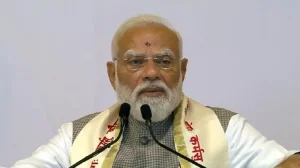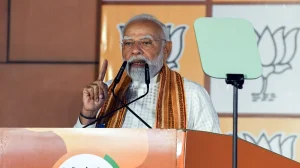
The carmaker has been quick to act on the PM’s nudge to get back to the kind of efficiencies we saw during the pandemic. With an announcement of WFH and a hard line on travel, Maruti is reining in costs and fuel. They see it as a no-brainer for business and a matter of national responsibility, one that also puts some money in the pocket from a foreign exchange point of view.
What changed at Maruti Suzuki
Where the job allows, the company has made work-from-home a reality. They have also let their teams and partners know to make digital meetings the norm and to think twice before booking a trip. Foreign travel is off the table unless you have to go; for the rest, it is kept to a bare minimum.
Staff have been put on notice to be mindful of their energy use, be it in the office or at home – and that means the AC, the fans and the lights. The same goes for how you get to work; if you can carpool or take public transport, you should.
You can see the management’s top-level instructions to make this stick below:
– Go virtual for your meetings
– Keep domestic travel down to the wire
– Don’t fly abroad unless it’s a must
– Work from home if you can
– Carpool or use the bus when you can
– Be frugal with energy at the office and in the home
Why this move matters
Maruti has put this in the context of a broader call for restraint. Management has to be as productive as possible, use less petroleum and hold down the outflow of foreign currency. They are also using the moment to have a good look at their processes and make sure they are running as well as they can for the good of the country and the bottom line.
They don’t mince words about the importance of the Prime Minister’s call, or the need to cushion the long-term effects of the war in West Asia. Word of these new rules is being put out to all employees and partners.
Signal to the auto ecosystem
When India’s number one carmaker makes a turn like this, it says something. In a climate where every rupee counts, Maruti is showing a productivity-first attitude. This isn’t about a quick fix; by making remote work and travel discipline part of the fabric of the day-to-day, they are after some real, structural gains.
Market reaction and timeline
The market has had its say. On the BSE today, May 26th, Maruti Suzuki India Ltd shares closed at 13,242.70, a 0.55% or 72-point gain. Then again, this is in line with what they have been doing with remote work already, so there is no reason to expect any hiccups in rolling it out.
They would have you believe this is an institutional response, not something cobbled together. It is a sign that the people at the top want to see a permanent change in how we handle our time, our trips and our power bills.
What to watch next
It will come down to two things: how well it is put into practice and whether the savings show up on paper. A clear pecking order has been set for meetings and travel, and there is an expectation of steady energy discipline in every location.
For the management, this is about continuous improvement. Now we will see if the teams can put these habits in place and if they translate to better numbers without slowing the business down.