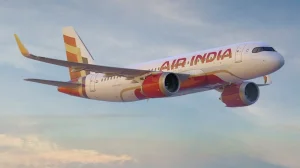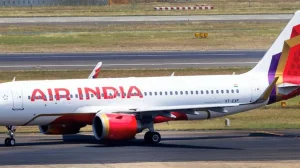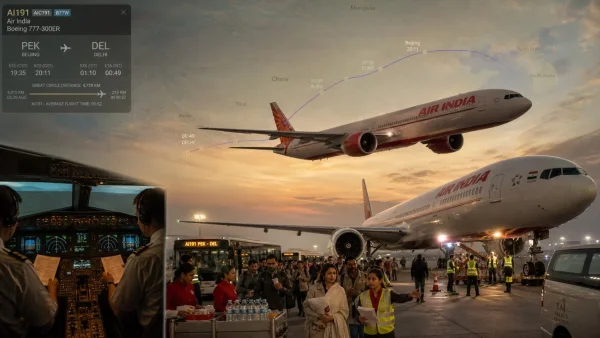
Back on May 27, the AI173 was en route to San Francisco when an issue cropped up mid-flight and the carrier had to put it back in the air for Delhi. Over eight hours in the making, the flight ended safely, as the airline would have it. On a long-haul run like that, you don’t take chances.
You see the kind of operational calculus an airline has to do when trouble hits far from home. The rules were followed, but with the aircraft in the air for so long, it was only a matter of time before the inconvenience set in for the people on board. Some quick, no-nonsense customer service was in order to head off any hard feelings.
What happened in the air
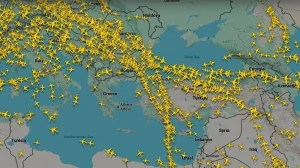
AI173 left Delhi on time. But once it was over three hours in the air and in Chinese airspace, Flightradar24.com’s numbers show it was already on its way back to the capital.
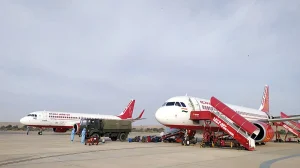
The Boeing 777-300 ER put down at Indira Gandhi International in the early hours of Wednesday. In all, the plane was up for more than eight hours before it hit the tarmac.
According to Air India, the crew in the cockpit did what they were supposed to do once the problem made itself known. There was no drama on the landing and the airline hasn’t put out any more specifics.
Safety procedures and inspection
Air India put out a word to say the risk is behind them and here is what comes next: ‘The aircraft landed safely and will undergo technical inspection in line with Air India’s safety standards.’
They also said: ‘Flight AI173 from Delhi to San Francisco on May 27 has returned to Delhi due to a technical issue in accordance with the laid down procedures.’ You can read into that what you want, but it’s all about sticking to the book.
That’s how you run a long-haul operation. It tells your customers that if something is amiss, you’re not going to make a call on a whim. You follow the process, then let the engineers have at it before the plane goes anywhere else.
Passenger support and rebooking
We’ve been told by the airline that they are working on getting folks to where they need to be. In the meantime, there has been some support on the ground.
Here is what was put in front of the ones affected:
– We’ll get you on a plane as soon as we can
– Something to eat and drink
– A room at a hotel
– Or you can reschedule, if you prefer
When you have 230 people to put right after a flight of this length, it’s not a simple task. How you handle it – with clear options and no runaround – is what the travellers will remember.
Why this matters now
On the Delhi to SFO run, you want to know you’re in good hands. Reliability is everything. Yes, turning around after a few hours in the cruise is a disruption, but it’s better than the alternative. It shows you can be trusted with the maintenance side of things.
The regulars on these routes will be watching to see how Air India deals with it. The way they communicate, how fast they rebook, and what the inspection turns up will be telling.
Right now, it’s a matter of finishing the checks, moving the crew and the metal, and getting the passengers on with as little fuss as possible. By being upfront about the inspection and the re-arrangements, the airline has a plan to put this to rest.
If you look at the Flightradar24.com figures, you get a sense of the diversion: more than eight hours in the air, with the decision to come back made well past the three-hour mark in Chinese airspace. It’s the price of being cautious, but also of having a protocol and meaning it.
In the end, the plane is on the ground and the passengers have been taken care of, from the hotel to the rescheduling. How quickly the last of it is sorted will be the test of whether trust is fully restored after an unwanted change of plans.