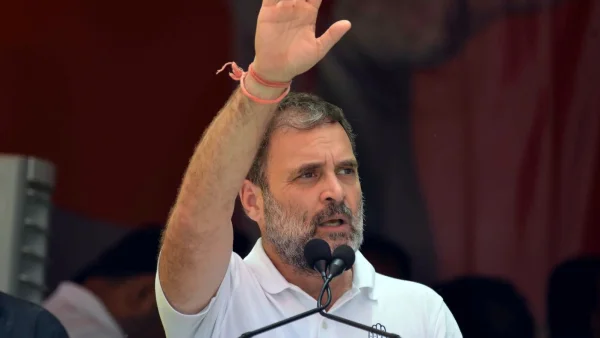
In a way, Gandhi has made a call-to-action out of the kind of frustration you find on any given campus. With this new signature drive, he is zeroing in on the likes of high costs and exam irregularities to make his case for reform. He wants students to have a word with the government and make their day-to-day problems a matter of public record.
The Leader of Opposition has been at pains to show this is not just a matter of putting out a few slogans. He has been telling students and those looking for work to get on an online petition and make their case, contending that if they put in the effort, it will be felt in policy. When it comes to the talk of him making a political issue of NEET, he has had a word or two to say on that, too: this is bigger than politics.
What happened and why it matters
For Gandhi, Chhatron Ki Goonj is the means to ask for what’s due: an education you can afford, a level playing field in the exam hall, and a job with some dignity. It’s a straightforward proposition: we count the signatures, we let the voices be heard, and we put the student at the centre of it.
‘If you’ve had to put up with a paper leak or some other exam trouble, if your family has put in a lifetime of savings for your schooling and the system has let you down, then Chhatron Ki Goonj is for you,’ was how he put it on X.
There are some things that weigh heaviest on a student or a family, and the campaign is on to them:
– Paper leaks and the like
– The cost of going to school and the lack of jobs after
How to get in on it
Gandhi has made the petition as unobtrusive as possible. He is asking for names and ideas to help set the tone. ‘More the signatures, the louder the goonj!’ he says, because the more people who back it, the more you are seen.
It is as easy as one, two, three:
– You’ll find the link here.
– Put in your name and what you have to say.
– And sign off on it.
From the classrooms of Kota and beyond
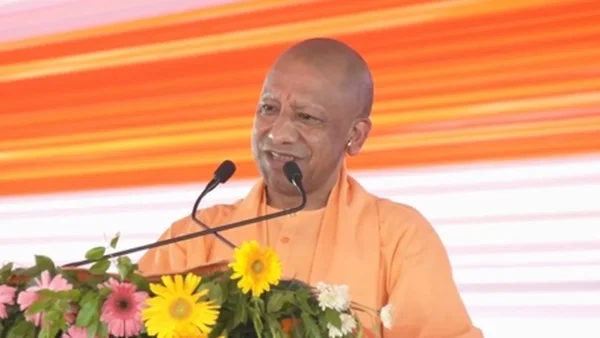
Not long after he set things in motion, Gandhi put out a clip from the rally in Kota, in Rajasthan. ‘You were something else, Kota. I can tell you, we made a bit of history yesterday,’ he wrote. ‘We had thousands in the field and millions on the screen, and for once the country has a clear view of the sort of extortion being done in the name of education.’
He sees Kota as the start of it. ‘What has been kindled there should be the torch for change in the rest of the country,’ he said, with an open invitation for more to come in on the petition.
Speaking at the event, he called the way of things a ‘rejection system’ that puts a lot of strain on young people and their parents. He noted the unfairness of having to fork over so much money while living with the stress of not knowing where you stand. ‘This is no good for the country. I want us to see to it that no one has to feel what this girl did,’ he said.
What it means for the ground level
The petition is a way to put the onus on the authorities when it comes to cancelled exams, hiring hold-ups, and the price tag on a degree. It may put some pressure on the big institutions and coaching centres to be more open about how they do business.
On the one hand, you have a list of grievances that gives students some clout. On the other, the administrators can see where the consensus is, which will have to be part of the conversation on accountability.
Looking ahead
The Congress leader is not treating Chhatron Ki Goonj as a one-and-done. He has asked for a steady stream of input on the need for fair tests and decent work, through the petition and otherwise.
There are those who will say he is making a political point of NEET, but Gandhi will have you know it is about the students. The proof will be in whether the stories and the numbers add up to some actual changes: fairer exams, less of a financial hit, and a little more faith in the road from the classroom to a career.