This is one of those studies in Science that stirs up the remote work conversation all over again. The message is blunt: if you’re working from home, you are likely to be lonelier and not as well off mentally. That has some employers who are all-in on being remote-first, as well as the workers who like their freedom, rethinking things.
A large dataset reveals a growing solitude
Put out on June 4, the study is built on the responses of over 500,000 U.S. workers from 2011 to 2024 (we left 2020 and 2021 out of it). By mashing up five of the country’s big surveys, the researchers were able to put side-by-side those with the option to work remotely and those without.
They made the distinction in plain terms, pitting the likes of a software engineer or a marketer against a surgeon or a mechanical engineer. They wanted to see how the nature of the job affects your day-to-day contact with other people and your sense of well-being.
The stark numbers behind isolation
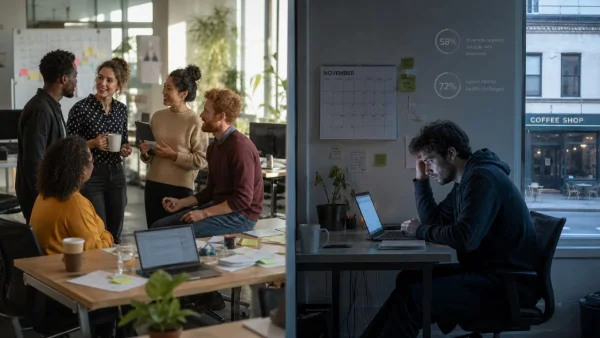
If you want the story in two figures, here they are. Remote workers are 58% more likely to be alone in their hours. And there is a 72% higher probability of them going a full day without so much as a word to another person.
“Just no human contact at all,” says lead author Natalia Emanuel of that last stat. She notes you can’t make up for it later; even after the workday is done, these folks are seeing less of their friends than their non-remote counterparts are.
It shows up in the strain, too. The paper makes note of an uptick in visits to mental health pros for remote employees, and in the self-assessments, they are harder on themselves about how they are doing.
Why this matters now for employers and employees
When some firms have called their people back to the office, they’ve talked up the need for better collaboration, a defined career track and some separation between the home and the job. These results will be seen as putting some weight behind that kind of thinking, especially where team spirit is concerned.
But let’s be honest, there is still a lot to like about the home office. Co-author Emma Harrington is quick to say the study isn’t a blanket condemnation of it. You have the commute you don’t have to make, the money you keep, the extra time with family and, for some with disabilities, a level of access you can’t get in an office.
Emanuel would have you see it as a trade-off, and one a lot of us are open to making. You don’t have to look far for the appetite for remote work: some figures put it at 4 to 10% of a worker’s pay they’d be ready to part with for the chance to do it from home.
Strategic implications for hybrid policies
Then you have the rub. On one side, employers are seeing how social capital can wither when people in an office don’t cross paths. On the other, staff still put a premium on having their own way. This puts leaders on the spot to make a case for policies that offer some of both.
If you’re running a remote-first operation, this is where you get put to the test. The more you lean on a distributed model, the harder you have to be about how you’ll look after your people when being alone all day is just part of the job.
How the study reframes the debate
Let’s be clear: the research isn’t saying remote work is bad across the board. It’s pointing to some of the less obvious costs that add up. We’re moving past the old argument over productivity and into what this does to the social side of things and, by extension, mental health.
To make their point, the authors left the pandemic out of it. No 2020 or 2021 here; they wanted to see how things usually are, not the extremes of a lockdown.
What will be on most employers’ minds:
– A steep up-tick in isolation for those who can work from anywhere
– Deteriorating mental health for the remote set
– That after-hours social life doesn’t quite make up for it
What to keep an eye on
These numbers won’t be slow to hit the talent market. Those in favour of a return to the office have new ammo. But you can count on the pro-remote camp to be calling for some guardrails so you don’t have to give up flexibility to be around other human beings.
It’s no longer just about a wordless nod to a barista or a run-in at the store, but the study makes a point of it: for a lot of remote workers, even that kind of small interaction is hard to come by.
The real issue is whether it holds up. If we see more of this kind of seclusion, will we lose people to it? Even the ones who like working from home for the money, or for family or health reasons?
Preference is giving way to results
We’ve gone from bickering over desk space to a matter of what a company is prepared to put up with in terms of social and psychological well-being. The hard data – 58% more time on your own, 72% more days with zero contact – puts a number on that.
There’s a more sensible way to have this conversation. You can have the best of both: give workers what they want, be honest about the perils of being isolated, and then build a policy that fits.