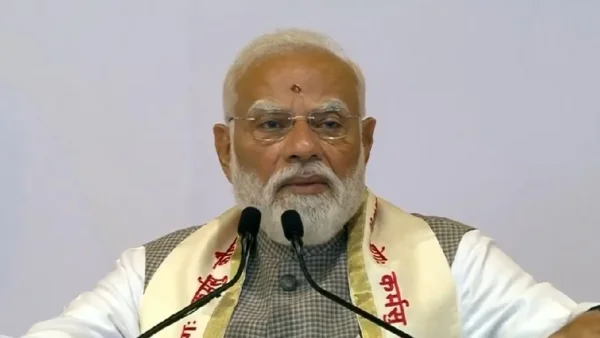
Prime Minister Modi’s recent request to start working from home as we did during COVID-19 has restarted a discussion many Indian businesses thought they’d finished. He’s connected this to saving fuel, and because of the fighting in the Middle East, petrol and diesel are getting more expensive.
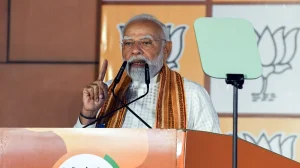
He didn’t present this as something companies should do, but as what’s best for the nation. He believes if people work from home, have online meetings and use virtual get-togethers again, we will save money on imports because petrol and diesel are now so costly globally.
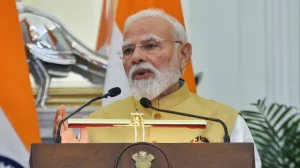
He made these comments at a public event in Hyderabad, and related them to the general effect on the economy of the unrest in the world. He mentioned how global supply chains have been interrupted and specifically the economic issues caused by the US-Iran conflict, to show why oil prices are up and India’s foreign exchange reserves are under pressure.
Why WFH is back in the conversation
Working from home was already common in IT and consulting before 2020, but then it became widespread when travel and getting together in person were limited because of restrictions. And even after the lockdowns were over, a lot of companies continued with more flexible arrangements because their teams had become used to working remotely.
In fact, in 2022, Prime Minister Modi said workplaces that are flexible, a work-from-home system, and flexible hours are what we’ll need in the future. Since then, many companies have slowly asked people to return to the office, generally because they believe it’s better for getting work done and for teams to work well together.
His newest request will now test how much people are still going back to the office. It asks companies and organizations to think again about the systems they put in place during the pandemic, but not by telling them to – rather, by focusing more on being efficient, using digital methods first, and reducing how much people travel to work.
The Prime Minister’s wider call for restraint
But it’s not just about where we work. Prime Minister Modi has asked us all to be more careful with how much fuel we use and to change our daily habits to reduce the strain on the economy from outside influences. He’s encouraged the use of metros, buses, and trains, and suggests sharing cars if you have to use your own vehicle.
He’s also extended this to how we spend our money on things we want but don’t necessarily need to buy. He’s asked the middle class to delay going on trips abroad for a year and to not buy gold for a year, because both of those things will help save money on imports.
Here are the core asks as outlined by the Prime Minister:
– Prioritise work from home and virtual meetings
– Use metros, buses and trains more often
– Carpool when a car is necessary
– Postpone foreign travel for at least a year
– Avoid buying gold for a year
Impact on employers and commuters
For employers, this means going back to the digital ways of working that were proven to work for lots of people in 2020. Going back to being set up for remote work could reduce how much fuel is used for commuting, and teams can still work together with video calls and virtual meetings.
For people who travel to work, the emphasis is on changing how we do things, rather than building new roads or transport. Using the metro or bus for normal trips, and carpooling when you drive, fits with the plan to reduce how much fuel we import and to protect the economy from unpredictable prices around the world.
What comes next
No one is being told to do anything. The Prime Minister is simply asking us all to get involved, and it’s up to each business to weigh up how it works in practice against the wider economic goals he’s outlined.
How much working from home happens again will depend on how company leaders balance saving fuel and import money with the problems with getting work done and teams working together that came up after 2020. A mix of working in the office and at home is likely to be the quickest thing to happen, especially in the areas of work that are already used to remote working.
The main point is about doing our duty to the country at a difficult time in the world. By thinking of how we work, our travel plans, and expensive purchases as choices that affect the whole economy, the government hopes people will voluntarily make changes which will lessen the effect of rising energy costs on India.
In the coming weeks, we’ll see if flexible working becomes popular again in cities. The IT and consulting industries, where working from home was already common, might be the first to move. But the important thing is whether the tools and systems used during the pandemic can be used again, this time to keep fuel use steady and protect our money held in foreign currencies.