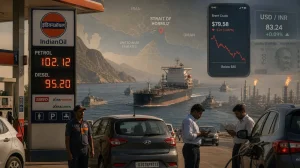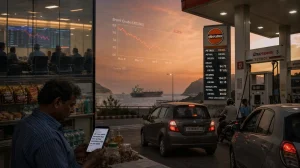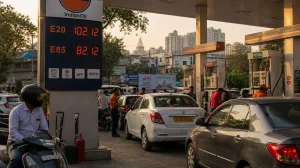
In fact, for many people who work in cities, their workday begins while stuck in traffic or at the gas station, not at their desks. A 40-minute drive can easily become almost two hours, and that regular journey becomes a significant, daily expense.
And that expense isn’t just about money. People in Human Resources are warning about a hidden “cost” to time, energy, and how people feel. According to Acharya, this shows up as people needing to leave work at a very specific time, not coming in on Mondays, and eventually quitting their jobs when they feel they are paying to get to work.
Worries about petrol and diesel prices going up are making these problems worse. If allowances or reimbursements for travel don’t go up at the same rate, commutes that were already unpleasant now seem like a bad deal for many.
Policy signals meet boardroom math
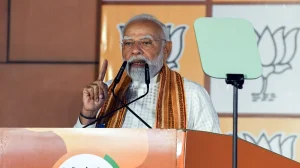
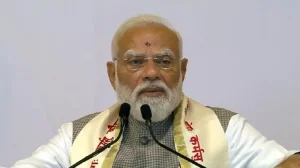
Prime Minister Modi has suggested more people work from home to reduce fuel consumption, with the world being as uncertain as it is. India gets almost 85% of its oil from other countries, so saving fuel is a key strategic goal and it also makes sense for families’ finances.
During the lockdowns, when there was much less travel, we saw clear proof of this. The amount of crude oil India bought went from around $101.4 billion in the year 2019-20 to nearly $62.2 billion in the year 2020-21. Economists have pointed out that even a little bit of hybrid working can lower demand without stopping businesses from functioning.
What state governments are saying and doing is supporting this trend. The Delhi government has encouraged some remote work, and companies are thinking about if having smaller offices, using less electricity, and having lower costs for running the office building could improve their profits. However, experts warn that hybrid working only works if teams are planned to work that way.
Here are the signals nudging a rethink:
– Rising fuel costs squeezing salaries
– PM’s call to cut fuel use
– 85 per cent crude import dependence
– Office savings from smaller footprints
Businesses that are based on digital infrastructure are in the best position to start this sooner, especially if fuel costs stay high. For these businesses, hybrid working can be an advantage when it comes to getting and keeping employees and reducing running costs.
Who shifts first and why it matters
But leaders are not all in agreement. While many agree that the technology is available for people to work in different places, some still prefer to be able to supervise people in person. As one manager says, this isn’t only about petrol; it’s about being in control, the company’s culture, and making sure everyone knows what is expected of them.
Younger generations are also putting more pressure on employers. Especially those in Generation Z, seem less willing to put up with longer commutes and higher travel expenses. Companies that don’t realize this may find people with the skills they need are going to jobs that value their time and money.
Urban relief, wider effects
Working remotely also helps with problems in cities. In Bangalore and Mumbai, a 30-minute journey often takes two or even three hours. Even a small change could ease the traffic.
To illustrate, if 100,000 employees worked from home two days a week, almost 50,000 fewer vehicles would be on the roads each day. This reduction would be immediate, unlike building new roads or other infrastructure, which takes years.
As a result, the air would be cleaner. Delhi, which is often called a ‘gas chamber’ in the winter, has problems with pollution from vehicles. Experts say that fewer cars during the busiest times of day can quickly lower levels of PM2.5 and nitrogen dioxide, and Mumbai and Bangalore would also benefit.
The employee dividend and the office economy
For employees, the ‘time saved’ is likely to be the biggest benefit. The hours saved from being in traffic can be used for sleep, exercise, being with family, or learning something new, all of which can improve their mental health and make them more productive.
However, there’s another side to this. The areas around offices have lots of small businesses – tea stalls, auto rickshaw drivers, people selling lunch, stationery, and small restaurants. A large number of people working remotely can reduce the amount of money these businesses receive each day, which shows that cities need to be carefully planned for flexible working.
What comes next
Companies are in a difficult situation. Hybrid working can save money and make them more able to cope with difficulties, but they have to invest in how work gets done, how performance is measured, and training managers, to avoid problems with communication.
It’s unlikely everyone will go back to working from home full-time. But a move towards hybrid working seems likely as people are worried about fuel costs, employees want more flexibility and companies are under financial pressure. The question now is less about whether employees want flexibility, and more about whether companies can afford not to offer it.
How leaders act will determine how quickly this happens. Organizations that change their policies, support some remote working, and recognize the hidden cost of commuting will be more likely to attract skilled workers and deal with changes in the economy. Those that don’t don’t may find the job market changing around them.