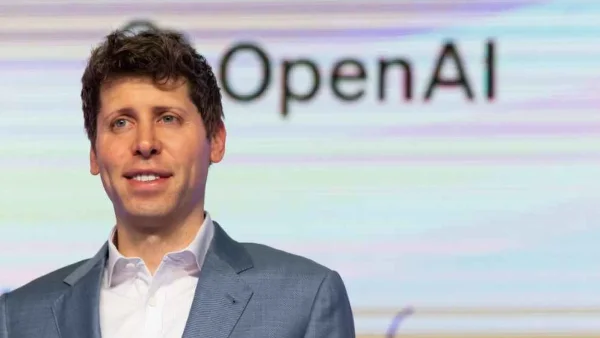
Sam Altman, OpenAI’s leader, has called this "code red” – a very high priority, and fairly unusual, push to make ChatGPT better as Google is doing better in the race to develop artificial intelligence. This means the company is focusing on its main chatbot again, and prioritizing how quickly and reliably it works, and how much it adjusts to you, over releasing lots of different new products.
Why OpenAI hit the panic button
This isn’t a coincidence in timing. Google’s newest AI model, Gemini 3, is getting attention for its strong scores on tests and how well it’s being built into Search, Gmail, YouTube, Android and many other things. Google can release AI features to lots of people almost immediately because of this broad reach.
Business pressure is real
People at DeepMind (Google’s AI company) have said for a long time that Google’s connected systems give them a built-in advantage. OpenAI, which relies on partnerships and people paying for subscriptions, needs to do things very efficiently and release updates more frequently to stay competitive.
What ‘code red’ means inside OpenAI
A message sent internally says that several projects will be delayed to allow for a full focus on ChatGPT. Work on plans for advertising, shopping and health-related chatbots and a personal assistant called ‘Pulse’ are being postponed. Teams are having daily meetings with people from different departments and are being asked to come back together temporarily to get things done faster.
Essentially, they’ve been told to make ChatGPT quicker, more trustworthy, more personalized and better at a much wider variety of things. Being correct, having a broad base of knowledge, and responding quickly are the main priorities.
The search moment for ChatGPT
Those at OpenAI say that ChatGPT is now handling a significant portion of what people usually do with search engines and believe this will continue to increase. In fact, one leader recently said ChatGPT is responsible for about t30% of all searching, showing that people are moving from clicking on links to getting direct answers and taking action straight away.
This is why things are so urgent. If more and more people use conversational searching (talking to an AI to find things), the importance goes far beyond just chatting. It affects how we find things, how we shop, how we get things done and even advertising.
What users can expect next
Users can anticipate: responses that come up on the screen more quickly and the system being available more of the time, especially when many people are using it at once, a more intelligent personalization that ‘remembers’ your preferences and changes its responses accordingly, and a better ability to handle complicated questions with multiple parts and follow-up questions.
OpenAI also wants to have more reliable answers in specialized areas. This means better ways to check facts, find information and explain when it is unsure.
Business pressure is real
OpenAI has ambitious financial goals as it expands its underlying systems and research. Reports say the company needs to be making a huge amount of money each year by 2030 to achieve its aims. Meanwhile, Google’s existing business generates a lot of money that it can use to fund its long-term AI work without a second thought.
This difference in financial situation is important. It impacts how much they can spend on training the AI, how much it costs to use the AI, and how quickly they can try out new ideas. A "code red” can shorten the time it takes to get things done and concentrate efforts.
Ads, monetization, and the user trade-off
OpenAI has thought about using ads along with subscriptions like ChatGPT Plus and business plans. Using ads does come with a downside: more personalization can make the ads more relevant to you, but it also brings up questions about how your information is being used to target you and what the AI ‘remembers’. Leaders at the company have said they would be very careful if they decided to use advertising.
For people using the system, being able to see how things work will be essential. Clear controls over what the AI remembers, how your data is used and your ad choices will determine whether making money from ChatGPT will make people trust it more or less.
Google’s momentum, in context
Google’s advantage isn’t just their AI models, it’s their infrastructure, the way they distribute things and the fact that their products are what people use by default. New creative tools and assistants can be in the hands of billions of people almost immediately. Gemini 3’s performance on important tasks, combined with this wide reach, sets a new standard for everyone else.
Anthropic and other competing companies are also improving their AI rapidly, putting pressure on OpenAI from all sides. It’s no longer a situation where OpenAI is the only major player.
Implications for enterprises and developers
A ChatGPT that is faster and more reliable is a good thing for teams that rely on it to help with customer support, writing drafts, doing analysis and writing computer code. Businesses care about how long it takes to get a response, how often it’s working, how correct it is and how predictable the costs will be. Programmers want stable tools for developers, and safety features. A clear plan for the future should improve all of these things.
Keeping things secure and following the rules will also be extremely important, especially in industries that are heavily regulated. We can expect continued investment in being able to check what the AI is doing and in having rules and controls in place.
Altman’s “code red” isn’t about being panicked, but is more of a planned, quick push. Google is gaining ground and the market is changing quickly. Putting all their energy into ChatGPT is a belief that its quality, speed and personalization will keep people using it and will increase how much it is used in searching for information and in people’s daily routines.
Bottom line
If OpenAI quickly makes significant improvements, it can maintain its position as a leader. If not, Google’s size and reach may begin to have an effect. Either way, the next few weeks will decide how the competition between consumer AI products will play out.