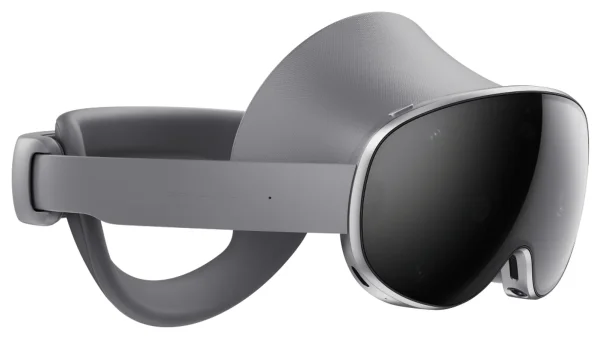
Information about the Samsung Galaxy Smart Glasses that has been leaked points to them appearing very soon, looking like Ray-Bans, and being sold at prices that will really try to get people to buy them. Samsung is preparing two different versions, and the first one will be more about using your voice, listening to audio, and the camera, rather than having a screen. Because they will probably be revealed around the time of Google I/O in 2026, competition in the world of smart glasses is getting much more intense.
Everyday design, not heavy AR
The pictures that have been leaked show a simple, normal glasses look, not the large, bulky frames of many augmented reality sets. Jinju, the first of the two, is expected to be designed for being comfortable and for wearing all the time.
Importantly, Jinju probably won’t have a screen built in. Instead, it might use voice commands, sounds to tell you things, and being able to control it without your hands to give you smart functions.
Two models, two strategies
Many reports indicate Samsung is doing this in two phases. Jinju is expected to be available first and without a screen, while Haean, a more expensive model, is being developed with a micro-LED screen, but will be released at a later date.
Here is what the leaked pricing suggests:
– Jinju may cost USD 379 to 499
– Haean may cost USD 600 to 900
In India, Jinju should cost around 35,795 to 47,130 rupees at today’s exchange rates. Haean, which isn’t due until 2027, will be a lot more expensive and will compete with other smart glasses that do have a screen.
Leaked specifications and features
Jinju is expected to use the Qualcomm Snapdragon AR1 platform. Reports mention a 12MP Sony IMX681 camera for taking videos and photos from your point of view, sound that travels through the bone in your face, a 155mAh battery and weighing about 50 grams.
They will likely connect to things using Wi-Fi and Bluetooth 5.3. The light frame and the focus on sound are similar to Ray-Ban Meta smart glasses, clearly showing Samsung’s intention to compete.
Because both versions are said to use Android XR and have Google’s Gemini AI built in, they could provide useful help when you are out and about. Early reports say the camera could instantly translate languages, take photos quickly, tell you the weather with your voice and give you directions using Google Maps.
For quick reference, here are the headline leaked specs:
– Snapdragon AR1 chipset
– 12MP Sony IMX681 camera
– 155mAh battery capacity
– Bone conduction audio
– Wi-Fi and Bluetooth 5.3
Launch timeline and partnerships
Leaks suggest Samsung is planning to make an announcement about their next Android XR product later this year. Some reports say it might be at Google I/O t in 2026, which shows how closely Samsung is working with Google on their XR platform.
Samsung is apparently working very closely with Google on Android XR and is also looking at working with fashion companies. Warby Parker and Gentle Monster are two companies they’ve been linked with, and they’ve even mentioned more widespread deals with companies like Gucci.
Why it matters now
Samsung’s actions show they’re seriously trying to get into the smart glasses market, especially after recently expanding into smart rings and XR headsets. Jinju, by making comfort and useful features a priority, could attract people who want something helpful without the heaviness or cost of full augmented reality.
People following this type of product will notice that it’s very similar to Ray-Ban Meta smart glasses. If the prices are as leaked, Samsung could force other companies to lower their prices, while also preparing for Haean’s screen-based experience in well, 2027.
The road ahead
For now, the biggest things people are wondering about are how good the software is, how long the battery lasts, and how good the camera is when you are actually using it. With Android XR and Gemini AI included, it will be important for the voice control and the glasses ‘understanding’ what’s happening to work smoothly.
If the dates are correct, we’ll find out more later in the year. For the time being, the leaks suggest Samsung is betting on being useful in everyday life first, and then adding more advanced AR features later.