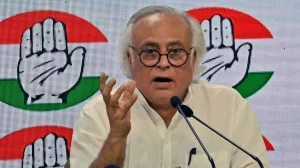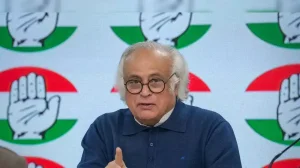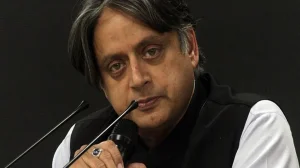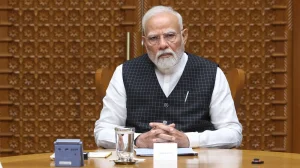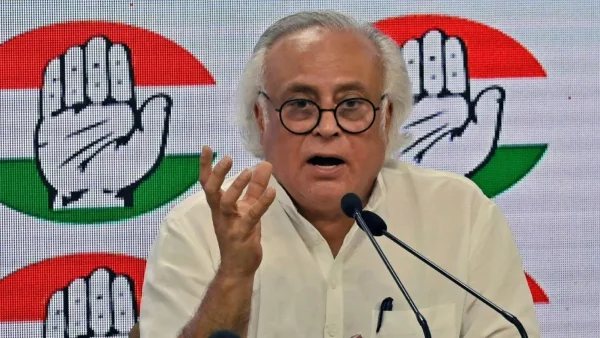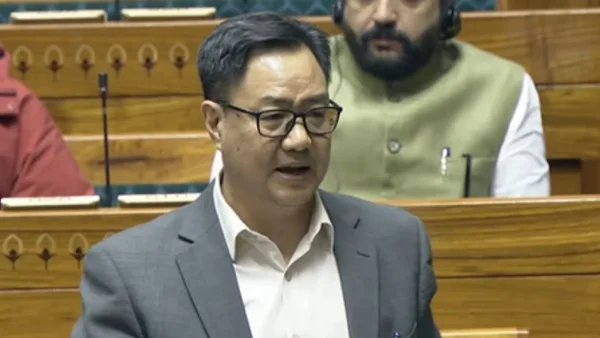
Rijiju has really come down on the opposition because of their vote against the Bill, and believes they will be met with public disapproval. He even mentioned a quick conversation with Shashi Tharoor: “Congress as a party might be against women, but women won’t think of Shashi Tharoor as being against them.”
Rijiju targets Opposition over women’s quota bill
Rijiju asked why parties that had approved the Nari Shakti Vandan Adhiniyam in 2023 would now oppose this new Constitution (131st Amendment) Bill. The bill proposed that 33% of seats in Parliament and in state governments be reserved for women, starting with the 2029 election for the Lok Sabha (the lower house of Parliament) and using the 2011 population count.
He asked how anyone could vote against giving women a place in the government, specifically naming the Congress, TMC and Samajwadi Party. He said that even though they didn’t have a two-thirds majority in Parliament, they thought they would get support from across the different parties, like they did in 2023.
Delimitation and implementation timeline at core of dispute
Rijiju responded to concerns about linking the reservation to the redrawing of boundaries by saying this order was already decided in the 2023 law. He said that it very clearly says the boundaries will be redrawn after the 2026 population count, and this had been explained before without protest.
He said no to the idea of filling the 33% quota with the current 543 seats. He explained that the number of people in each voting area is still based on the population from 1971, which was around 540 million. He said that India’s number of voters per seat is higher than in many democracies in Europe, so the number of seats should increase.
Rijiju’s main claims were as follows:
– Opposition voted against a pro-women measure
– 2023 law already set the framework
– Seat expansion is necessary, not optional
– Public backlash is likely over the vote
Shashi Tharoor remark adds political theatre
After the parliamentary session, Rijiju said Tharoor told him that no woman would think he is against women. Rijiju said, “I told him, yes, no one will say you are against women,” and added that Tharoor “kind of agreed.”
He brought up this conversation again in an interview that was recorded, describing it as a separate, personal point during a larger disagreement about the bill as a whole. Rijiju was trying to show that particular leaders in the opposition aren’t necessarily part of the opposition’s overall position.
What happened in the Lok Sabha vote
On April 17th in the Lok Sabha (the lower house of Parliament), the opposition voted against the Constitution Amendment Bill. After the debate about three bills, 298 members voted for the change and and 230 against, but the amendment didn’t pass.
Because of this failure, the government didn’t move forward with two other bills that would have increased the number of seats in the Lok Sabha from 543 to 816, with 33% of those seats reserved for women. Opposition parties say they do want women to have a certain number of seats, but they want it to happen with the current number of seats and not to wait for the boundaries to be redrawn.
What next
Rijiju said that the plan for the law is set, and repeated that the redrawing of voting area boundaries will happen after the 2026 population count. “A decision about the reservation has been made, and how to move forward with it needs to be done,” he said.
Right now, the government has paused work on the two related bills and the opposition doesn’t like the plan for changing the number of seats. This keeps the focus on when and how the reservation will be implemented. Rijiju has warned that the politicians who stopped the amendment will be criticized by women voters.