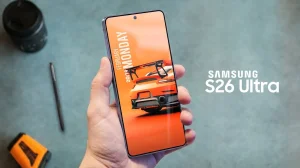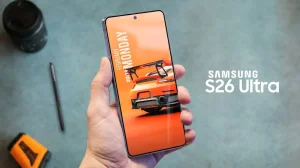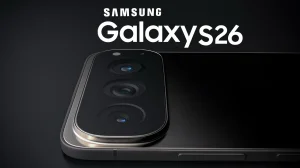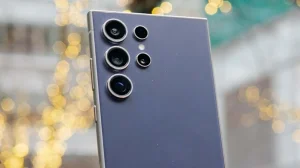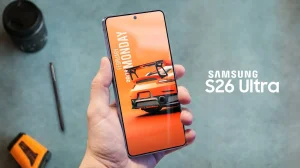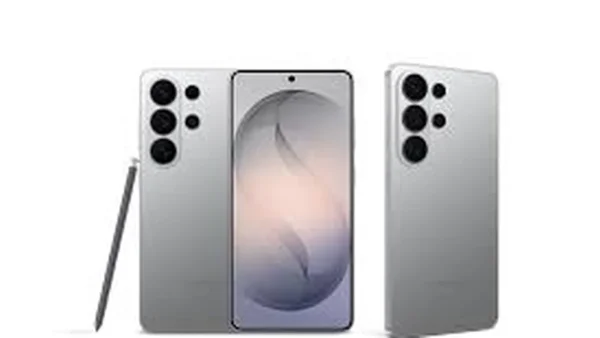
Samsung is planning to show the Galaxy S26 line tonight, and the Galaxy S26 Ultra, which hasn’t been announced yet, could have something that really changes phone privacy. A video of someone opening the box showed a 'privacy screen‘ which stops people from seeing the screen from the side – a thing which could be the most copied phone feature in 2026. This combines hardware and software in a way that rivals will likely copy very quickly.
How the privacy screen works
The privacy screen makes what is on the screen impossible to read from the side, but perfectly clear to the person using the phone. It is a mix of both the screen’s parts and software control, to limit the angles you can see the screen from, and so protect passwords, messages and private information in public places.
First looks show the screen getting darker or more blurry for people not looking straight at it, rather than just making the brightness lower. This difference is important as it keeps the screen useful for the person using it, while stopping others from seeing. This small improvement to the user’s experience could change how people do private things in crowded places.
How the OLED M14 allows the feature
Details which have been leaked point to Samsung’s new OLED M14 screens being what allows the privacy screen to happen. The way the screen’s light works lets the software change the angle you can see it from – something the older M13 screens couldn’t do with a simple change to the software.
This means that phones which already exist are unlikely to get this feature with just a software fix. The need for the M14 parts makes a clear difference between the new S26 Ultra and older phones, and explains why this works on this phone in particular.
Why other phone makers might copy the idea in 2026
Because of competition and people wanting more privacy, this feature is something other top-end phone makers will want to have. Reports say that leading Chinese brands like Xiaomi, Oppo, and Vivo might use similar screen technology in their new models.
A post on social media from someone who is well-known for leaking information has asked if the phones which follow on from recent top-end lines will come with similar privacy screens by the end of 2026. Given how often screen parts are improved and the race to add new and different features, it is likely that others will copy this.
What wider use of this would mean for the market and business
If many companies can offer privacy screens, the feature could become something people expect as normal, rather than something special you pay extra for. The companies which make screens and can supply M14-like screens will get more power, and phone companies will compete on how well it is done, how much it affects the battery, and how good the software is.
For people buying phones, it being more widely available would lower costs and make phones work better together, but could also make less difference between top-end phones. Companies will need other things – battery life, cameras, AI features, or price – to be different.
What to expect at the launch, and for people buying
The Galaxy Unpacked event will show the official details of the Galaxy S26, S26+, and S26 Ultra, and the earphones which are rumoured to be coming. Early reports suggest a ‘split chip’ plan, with the Ultra likely appearing with the newest Snapdragon in some areas, and other models using a new Exynos chip in certain markets.
Expect small changes to the design, more storage and better batteries, possible changes to the camera, and more ways to connect – such as satellite features. Prices and final details will be at the event, and people who are interested should check the company’s official pages for the live showing.
The privacy screen could change how people think about security and privacy when they are using their phones, and could start a new wave of improvements to screens across the industry. If rivals copy the technology this year, 2026 might really be known as the year privacy-focused screens moved from being unusual to being normal.