The Tamil Nadu election looks like a very tight battle between the DMK (who are currently in power) and the AIADMK (the main opposition), and polls currently suggest the DMK will win again. Surveys done recently show the number of seats each side is expected to get are nearly equal, and voters are changing their minds as the parties form their final alliances and make their campaign plans more clear as the election gets closer.
Poll numbers show a narrow margin across alliances
One poll says the DMK group will win approximately 113 to 123 seats, and the AIADMK group will get 106 to 116 seats in the 234-seat Assembly. These numbers show it will be a real competition, and neither side is certain to win by a huge amount.
Another survey gives the AIADMK group a little more of the overall vote, around 39 or 10 percent, while the DMK gets 37 to 38 percent. If that happens, the AIADMK could get 114 to 127 seats, and the DMK 104 to 114.
Chief minister preference and voter mood remain critical factors
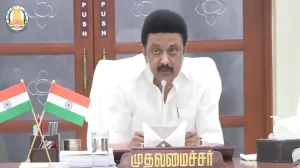
Polls show that MK Stalin is the preferred choice for Chief Minister by just 2 percent over Edappadi K. Palaniswami. This small lead means the benefits people are getting have lessened the anger at the current government, but haven’t completely removed it.
Political experts have said that the good start the parties had in January has slowed down. Voters are telling the difference between getting benefits and how well the government is running things, and this has stopped the current government from getting much more support, even though they are spending a lot of public money.
Vijay’s TVK faces erosion of momentum
Vijay, the film actor who became a politician, and his Tamilaga Vettri Kazhagam (TVK) seemed likely to have a big effect on the election, but now are losing support. Predictions for how many seats TVK will win have fallen quite a lot, with some polls showing they’ll get as few as re to 8.
Problems with the campaign have caused this decrease in support. The party has faced questions from lawyers, has been attacked by other politicians, and had issues with its leader, and these have all stopped TVK from changing from being a movement led by a famous person into a proper political party in the area.
Seat sharing shapes opposition strategy ahead of polling day
The AIADMK group has said they will give 27 seats to the BJP, 18 to PMK, and 11 to AMMK, and the AIADMK will compete for all the remaining seats. They hope this sharing of seats will bring together votes from people who don’t like the current government all over the state.
The leaders of the opposition have said they are sure of a clear win and are saying publicly that they will win by a large amount. These statements are part of how they are presenting their campaign, but the very close poll results mean this outcome isn’t certain as April 23rd, the election day, approaches.
Implications for governance and the post-election landscape
If the result is very close, the political situation in Tamil Nadu will be very delicately balanced, and how parties do in each individual area and how people vote in certain regions will be even more important. Parties will almost certainly campaign more strongly in areas where votes could go either way and will emphasize what they have done to run things locally to persuade people who haven’t decided yet.
A close election also means that after the election, how the government makes policy could depend on how the parties work together. Even if the smaller parties do a little better, or if the AIADMK does better than expected, this could change what the government does and how benefits and improvements are done after the election.